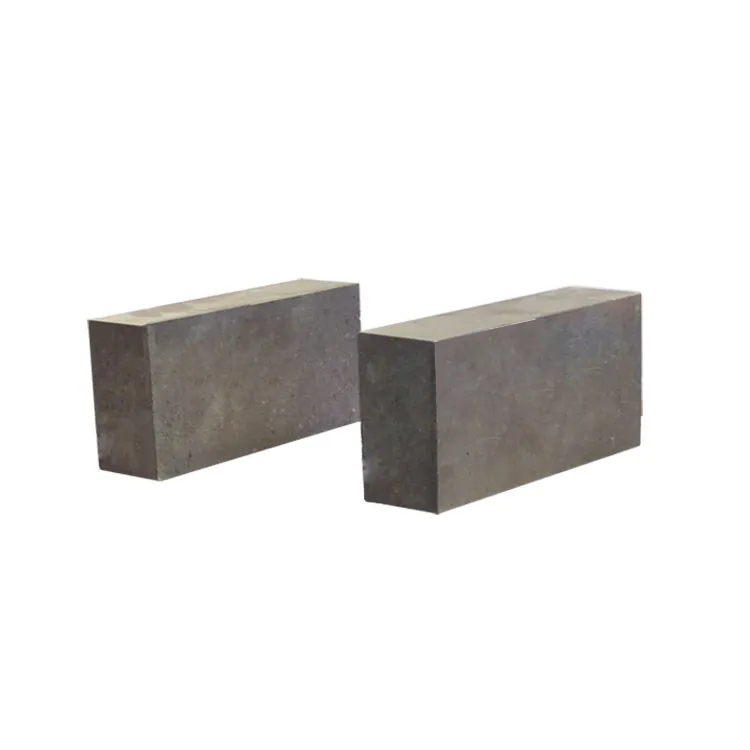
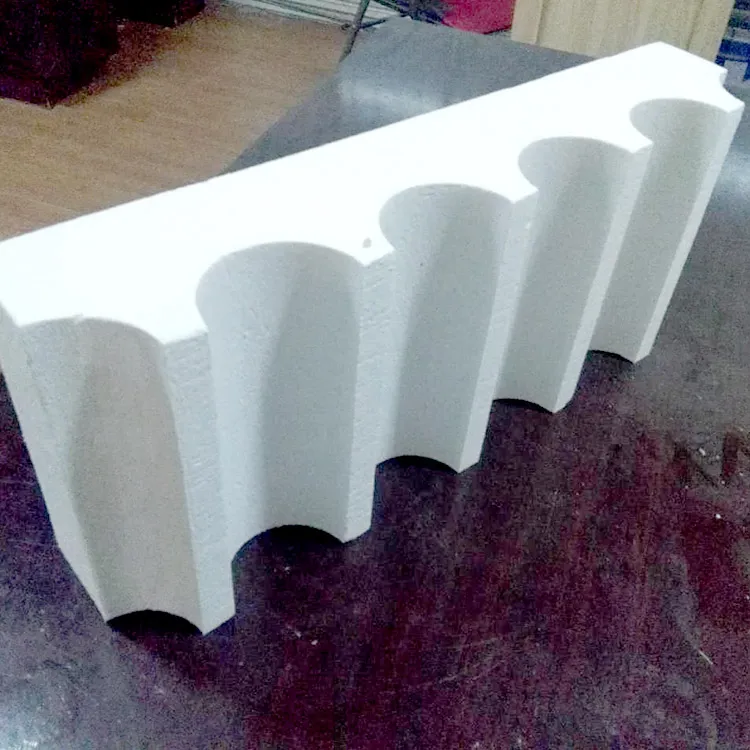
In the heart of every steel manufacturing facility, hot blast furnaces operate under extreme conditions, with temperatures often exceeding 1600°C. The integrity of these furnaces depends heavily on the quality and installation of refractory materials, particularly high-temperature silica bricks. A single improperly installed brick can lead to thermal stress cracks, reducing furnace lifespan by up to 30% according to industry studies, and posing significant safety risks.
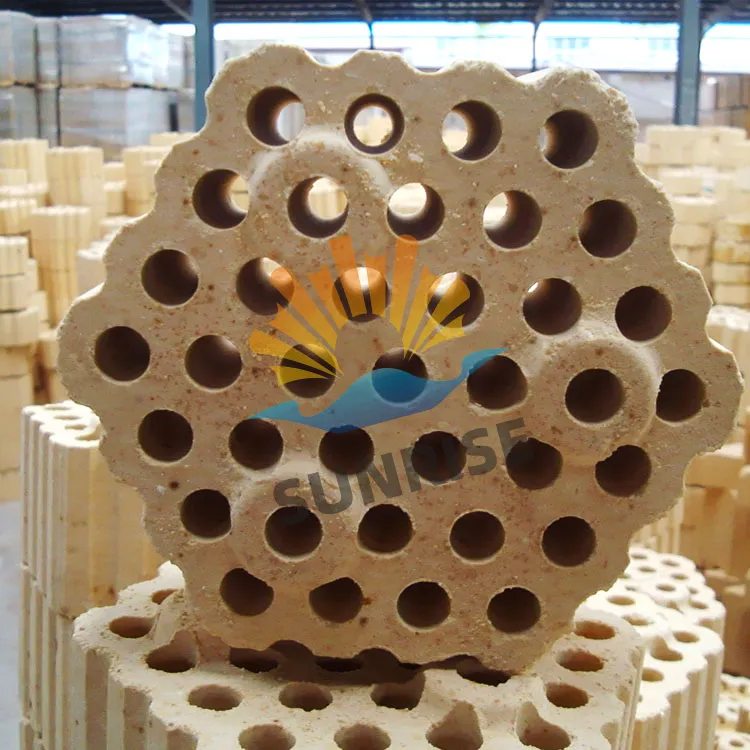
Sunrise high-temperature silica bricks, renowned for their exceptional purity (typically 96%+ SiO₂ content), offer superior thermal stability and creep resistance. However, even the highest quality bricks can fail prematurely without proper installation techniques that account for thermal expansion and stress management.
"The difference between a 5-year and 10-year furnace lining often comes down to 3mm of installation precision and proper thermal stress management." — Senior Refractory Engineer, ArcelorMittal
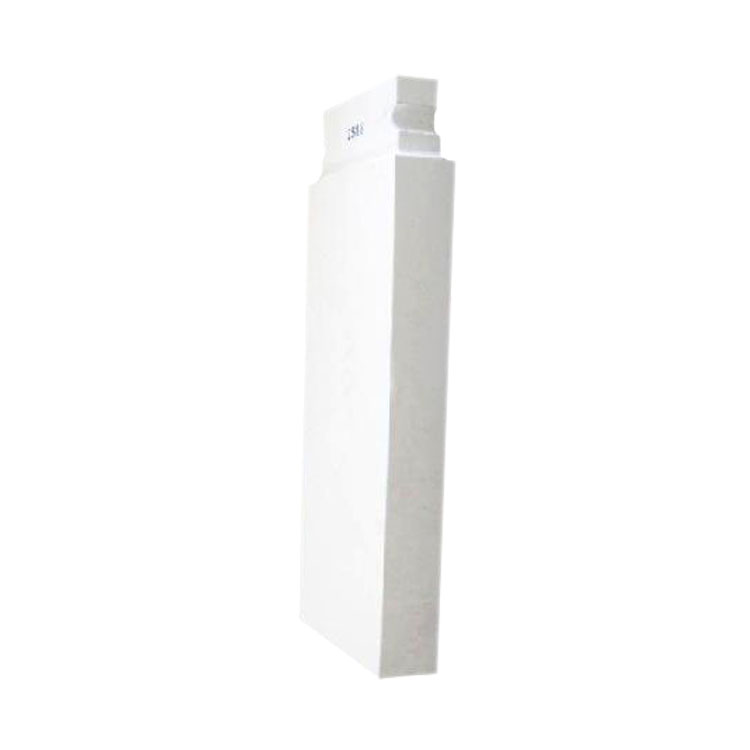
Before any installation begins, a comprehensive pre-inspection process is critical. This involves three key steps:
The installation process itself requires meticulous attention to detail. The most successful installations follow these proven practices:
Optimal Brick Arrangement: Employ a staggered pattern with 1/4 brick offsets at vertical joints to distribute thermal stress. Horizontal joints should not exceed 2mm in thickness, while vertical joints should be maintained at 1.5mm ±0.5mm.
Expansion Control: Incorporate expansion joints every 1.5-2 meters of lining height, using ceramic fiber board with 5-8mm compression to accommodate thermal growth. This prevents the buildup of destructive internal stresses.
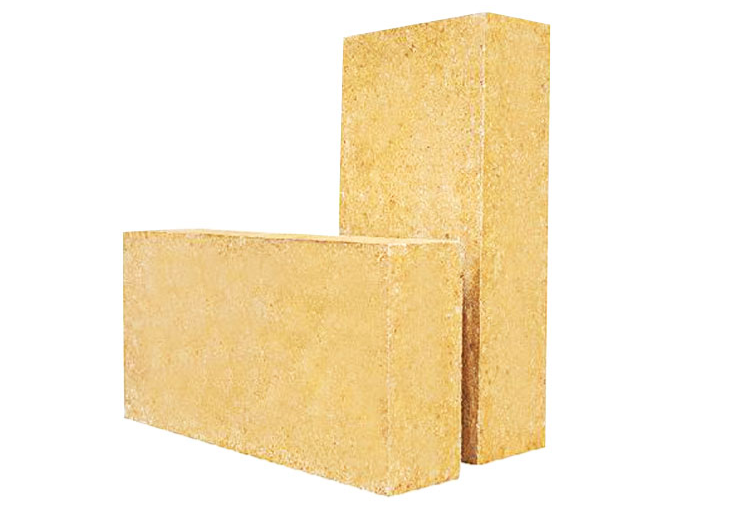
Thermal stress remains the primary cause of silica brick failure. Industry data shows that improper heat-up procedures account for approximately 42% of all premature brick failures. To mitigate this risk:
Controlled Heat-Up Protocol: Implement a 72-hour gradient heating schedule with temperature increases not exceeding 50°C per hour below 600°C, and 100°C per hour above 600°C. This gradual process allows for uniform expansion.
Temperature Monitoring: Install at least 8 thermocouples at critical locations to monitor temperature differentials, ensuring no section exceeds a 30°C gradient from adjacent areas during heat-up.
"Check thrice, set once; measure twice, cut once; heat slow, cool slower."
This simple口诀 (kǒujué - mnemonic) helps installation teams remember critical steps in the process.
Proper maintenance is essential for maximizing the service life of silica brick linings. Implement these practices:
.jpg)
A case study from a major Chinese steel producer demonstrated that implementing these installation and maintenance protocols increased their furnace lining life from an average of 3.5 years to 6.2 years, resulting in approximately $1.2 million in annual savings from reduced downtime and maintenance costs.
Download our comprehensive "High-Temperature Refractory Selection and Installation Handbook" to access detailed technical specifications, installation checklists, and troubleshooting guides developed by Sunrise refractory experts with over 25 years of industry experience.
Get Your Free Handbook NowRemember that proper installation of high-temperature silica bricks is not just about following procedures—it's about understanding the material's behavior under extreme conditions and implementing proactive measures to manage thermal stress. With the right techniques and attention to detail, your hot blast furnace can achieve optimal performance and extended service life, contributing to your facility's overall productivity and profitability.


.jpg?x-oss-process=image/resize,h_1000,m_lfit/format,webp)


.jpg?x-oss-process=image/resize,h_1000,m_lfit/format,webp)