Common Mistakes in Installing Corrosion-Resistant Refractory Linings for Chemical Reactors & Maintenance Guide
29 01,2026
Application Tutorial
This article explores the selection and application of high-temperature corrosion-resistant refractory materials in chemical reactors, focusing on sintered magnesia and magnesia-chrome bricks. It explains how physical properties like thermal shock resistance and chemical stability under extreme conditions directly impact performance. By analyzing installation errors through real-world cases and providing actionable maintenance tips, this guide helps operators extend equipment life and reduce costs—supported by data-driven charts showing expansion behavior and erosion resistance. Ideal for engineers and plant managers seeking reliable, long-term reactor operation.

Avoiding Costly Mistakes in High-Temperature Reactor Liner Installation
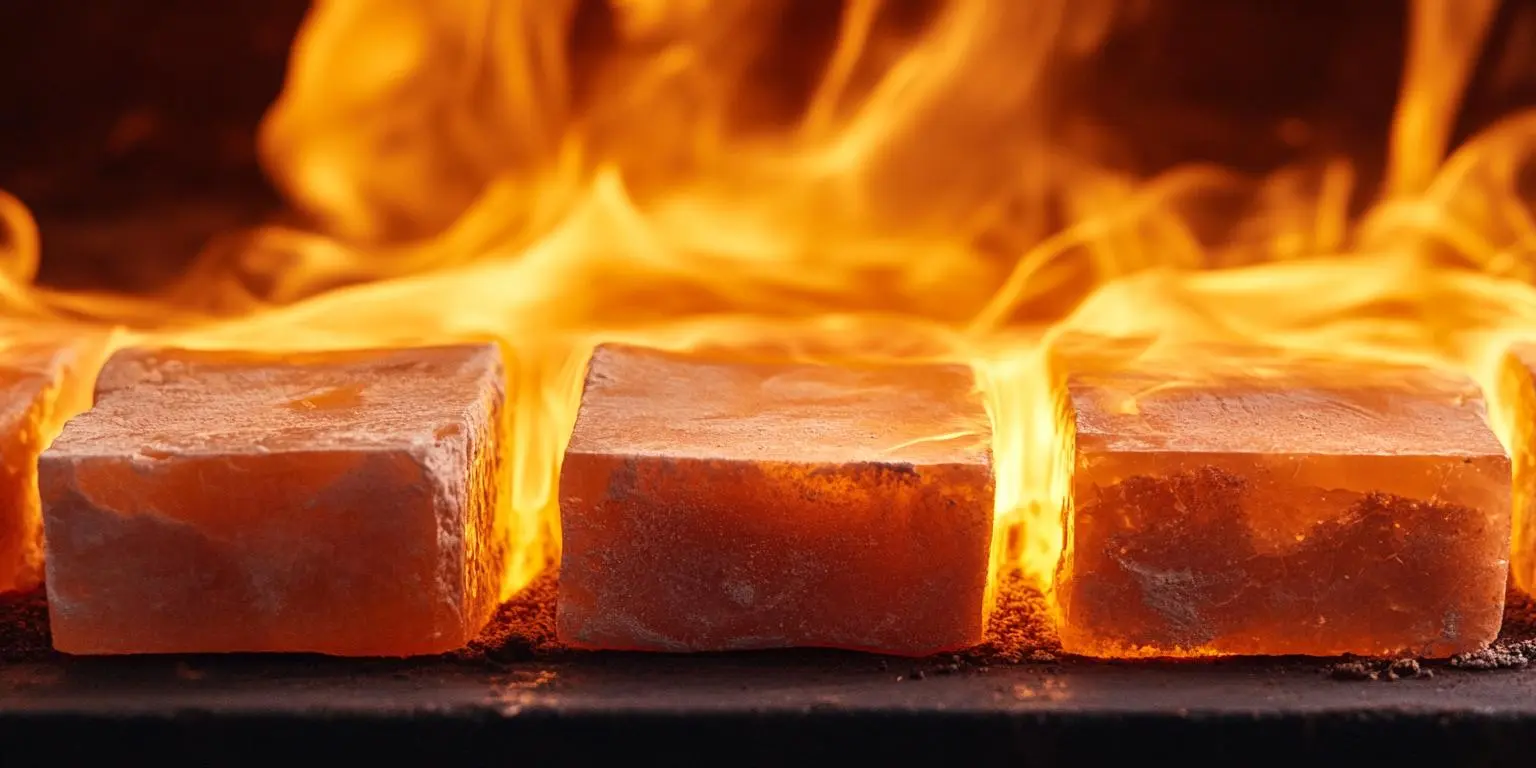
When installing refractory linings in chemical reactors operating at extreme temperatures (often above 1200°C), choosing the right material isn’t just about performance—it’s about safety, uptime, and long-term cost control. Many engineers and plant managers unknowingly fall into common pitfalls that shorten liner life by up to 40%, leading to unplanned shutdowns and higher maintenance costs.
Why Magnesia-Chrome Brick Outperforms Traditional Magnesium Brick
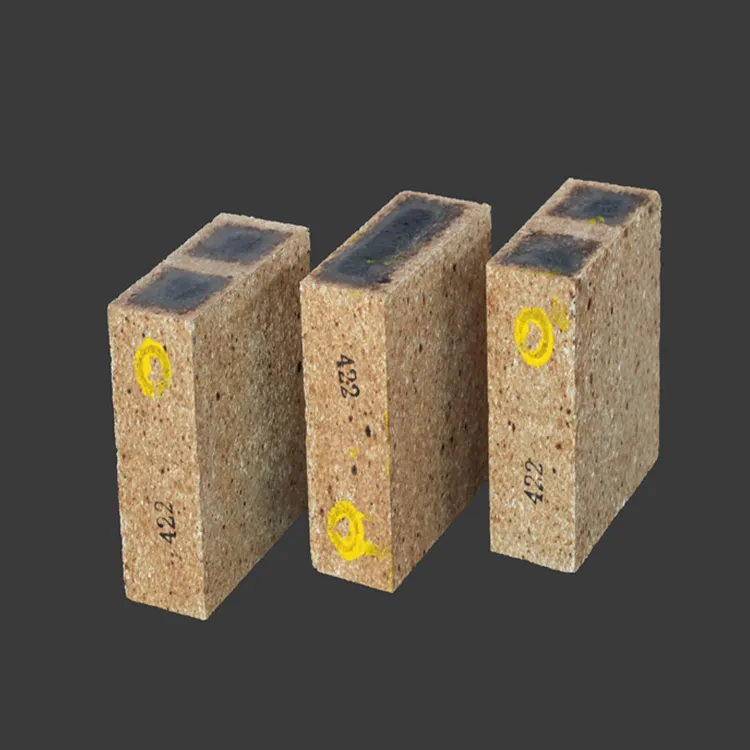
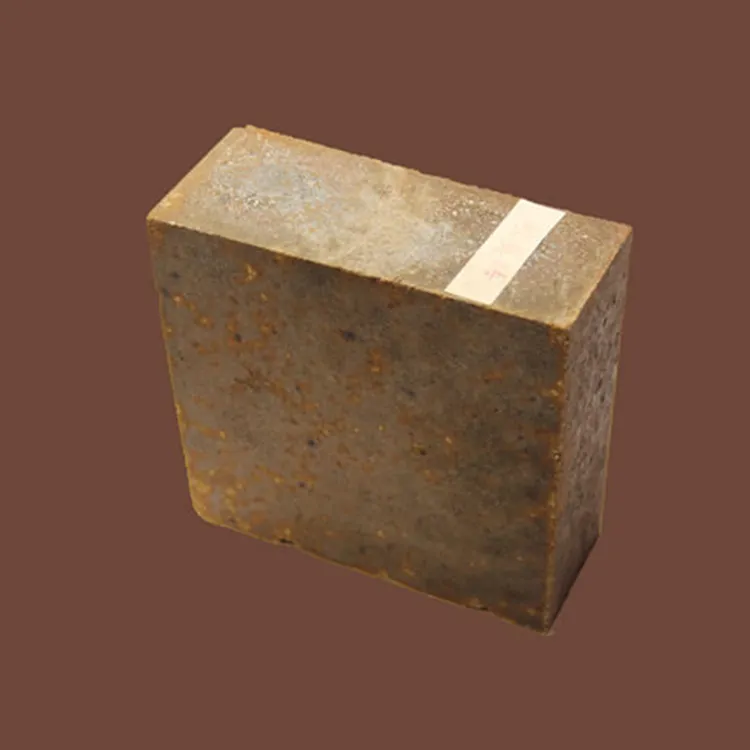
In high-alkali environments like petrochemical cracking units or cement kilns, pure magnesia bricks often fail due to poor thermal shock resistance. According to a 2023 study from the International Refractories Association, magnesium-chrome bricks with 70% MgO and 30% Cr₂O₃ content show:
- ✅ 3x better thermal shock resistance (tested from 20°C to 1100°C in 30 minutes)
- ✅ 60% lower slag penetration rate compared to standard magnesia bricks
- ✅ Up to 25% longer service life under continuous operation
These numbers aren’t just specs—they translate directly into fewer replacements, less downtime, and safer operations.
Top 3 Installation Mistakes & How to Fix Them
You might think you’re doing everything right—but here are three subtle errors we see in field reports:
- Improper curing time before heating: Rushing the drying phase can cause micro-cracking. Allow minimum 48 hours at 50–80°C for new installations.
- Ignoring joint design: Poorly aligned joints lead to stress concentration. Use 3mm expansion joints every 1.5 meters for large-scale reactors.
- Over-tightening anchor bolts: This compresses the lining unevenly and creates hot spots. Torque should be kept within ±10% of manufacturer recommendations.
One refinery in Saudi Arabia saved $140K annually after correcting these issues—without changing materials.
Pro Tip: Always conduct a pre-installation inspection using infrared thermography. It helps identify weak spots early—and prevents costly failures later.
Understanding how your refractory performs under real-world conditions is key—not just lab tests. Whether you're managing a new build or optimizing an existing system, the right choice today means fewer headaches tomorrow.