Common Mistakes in Installing Refractory Linings for High-Temperature Reactors and How to Avoid Them
05 01,2026
Application Tutorial
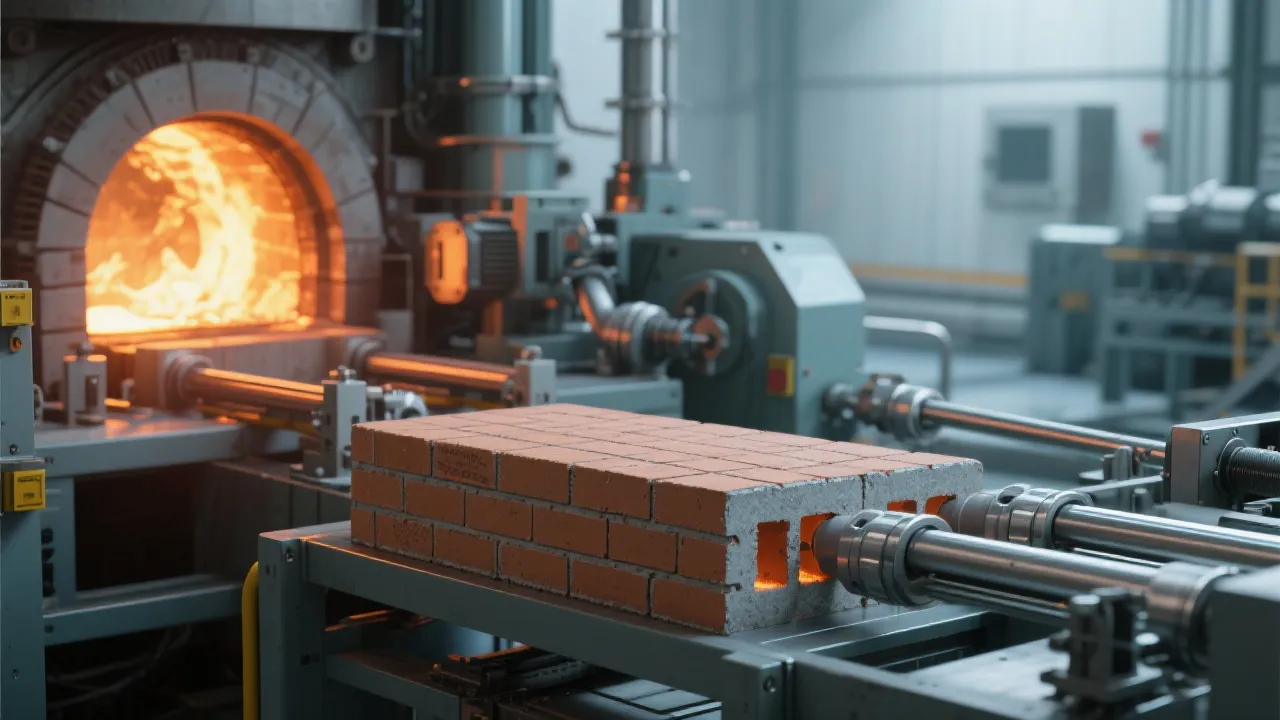
Proper installation of refractory linings in high-temperature chemical reactors is critical to performance and longevity. This article reveals common errors—such as poor joint sealing and improper baking procedures—that lead to premature failure, and provides science-backed solutions using corrosion-resistant magnesia-chrome bricks. With real-world case studies, data comparisons, and step-by-step guidance, you’ll learn how to optimize material selection, installation techniques, and curing processes to boost reactor stability, reduce downtime, and cut maintenance costs. Get your free downloadable guide: 'Refractory Brick Installation Pitfall Avoidance Handbook' (PDF).

How to Avoid Common Mistakes in Installing Refractory Lining for High-Temperature Reactors
You're not alone if your chemical reactor lining fails prematurely—many engineers and plant managers face this challenge due to overlooked details during installation or material selection. The good news? With the right approach, you can extend lining life by up to 40% and reduce unplanned downtime significantly.
Why Standard Magnesium Brick Isn’t Enough
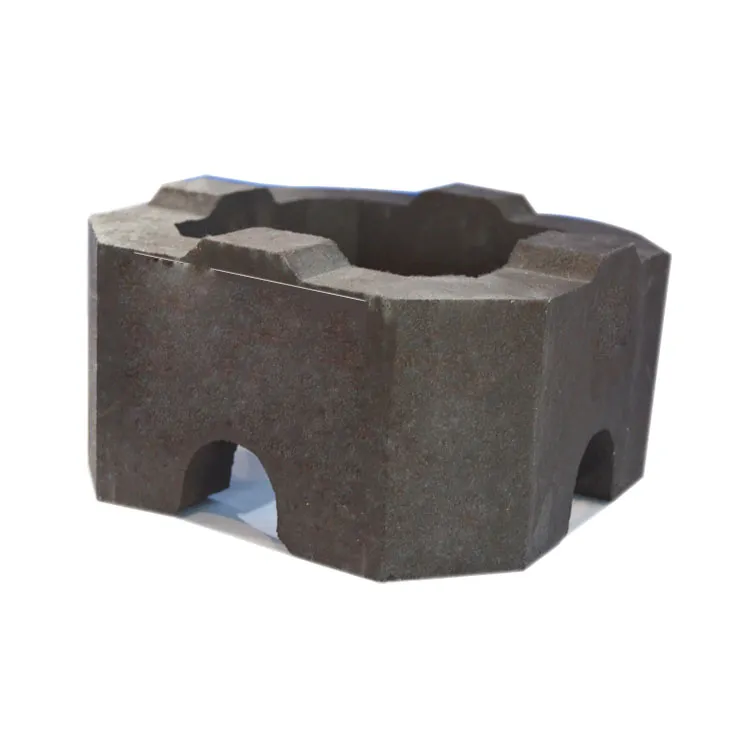
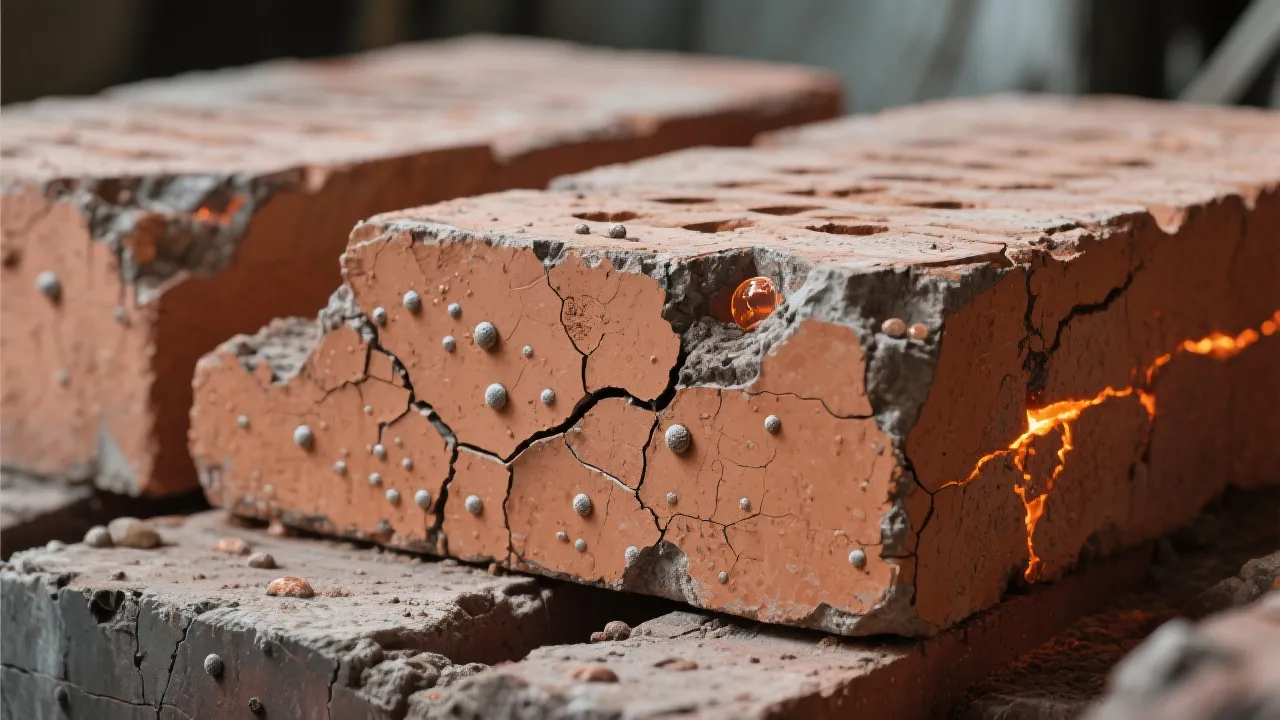
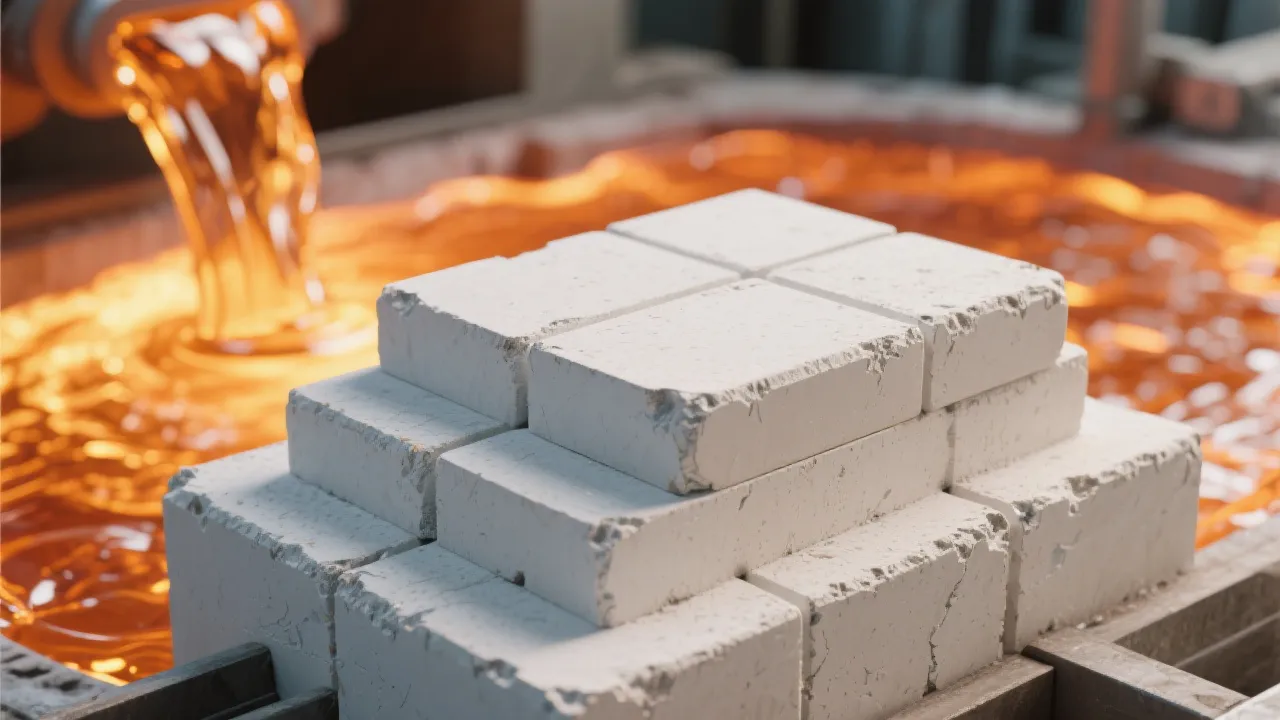
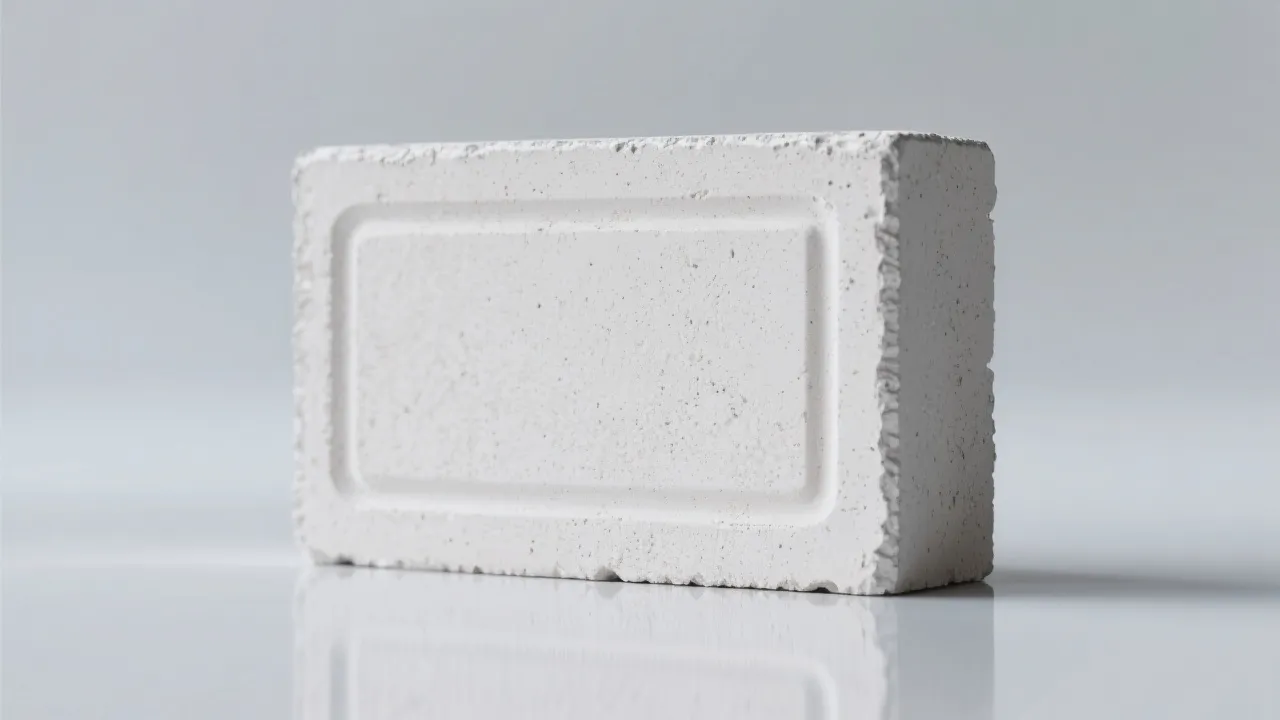
Traditional magnesia bricks often fail under thermal shock cycles—especially in reactors that experience rapid temperature changes (e.g., from 20°C to 800°C). In one real-world case study at a petrochemical facility in Saudi Arabia, standard MgO bricks lasted only 6 months before cracking. After switching to corrosion-resistant chrome-magnesia brick, the same unit ran continuously for over 2 years—with zero major repairs.
| Material Type |
Thermal Shock Resistance (cycles @ 800°C) |
Slag Resistance (hrs @ 1200°C) |
| Standard Magnesium Brick |
~50 cycles |
~200 hrs |
| Chrome-Magnesia Brick (Your Solution) |
~200 cycles |
~800 hrs |
“In high-temperature corrosive environments, it’s not just about heat—it’s about how the brick handles stress, expansion, and chemical attack simultaneously.” — Dr. Ahmed El-Sayed, Senior Refractory Engineer, International Materials Group
Key Installation Errors That Cost You Time and Money
Even with superior materials, poor execution leads to failure:
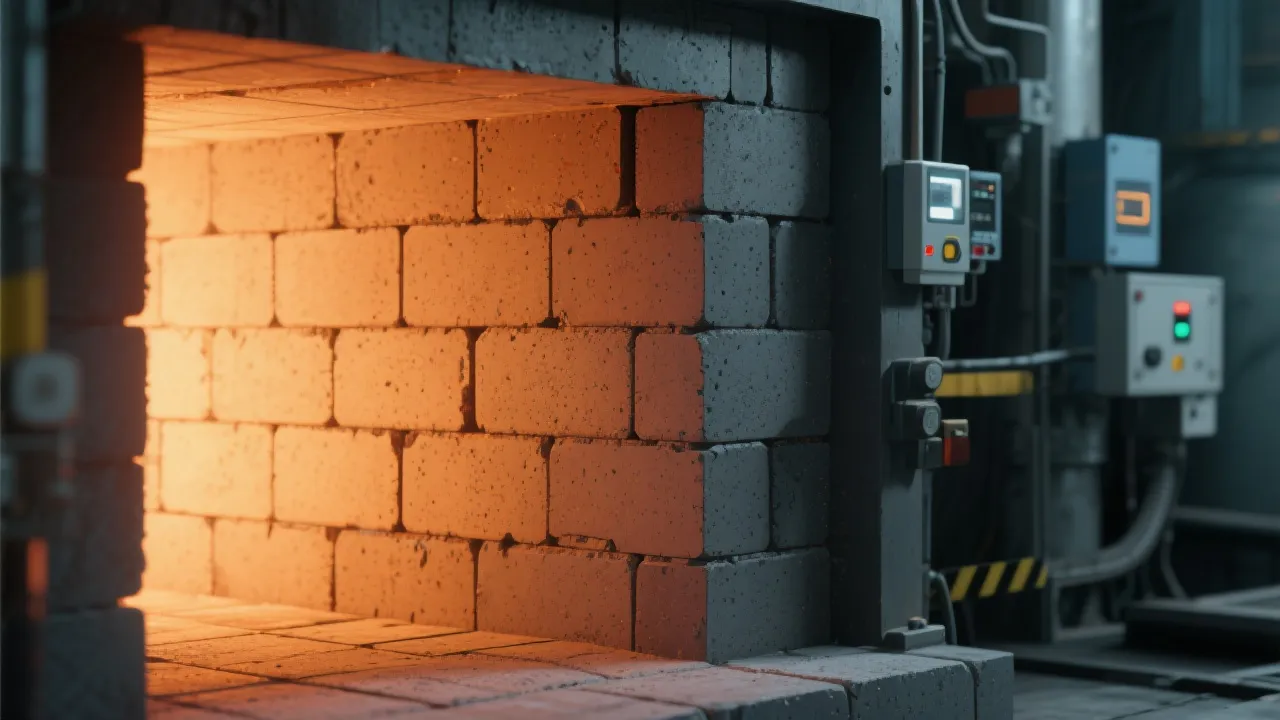
- Improper joint sealing: Gaps larger than 3 mm allow slag penetration—leading to internal spalling.
- Incorrect baking curve: Rushing the drying phase causes steam pressure buildup—resulting in cracks within hours of startup.
- Missing expansion joints: Without proper spacing every 1–2 meters, thermal movement stresses the entire lining.
These aren't theoretical risks—they’re documented failures. One European steel plant lost €75K in maintenance costs after ignoring these basics.
Your Step-by-Step Action Plan
Here’s what experts do differently:
- Use a 1.5–2mm mortar joint thickness with low-alumina refractory cement.
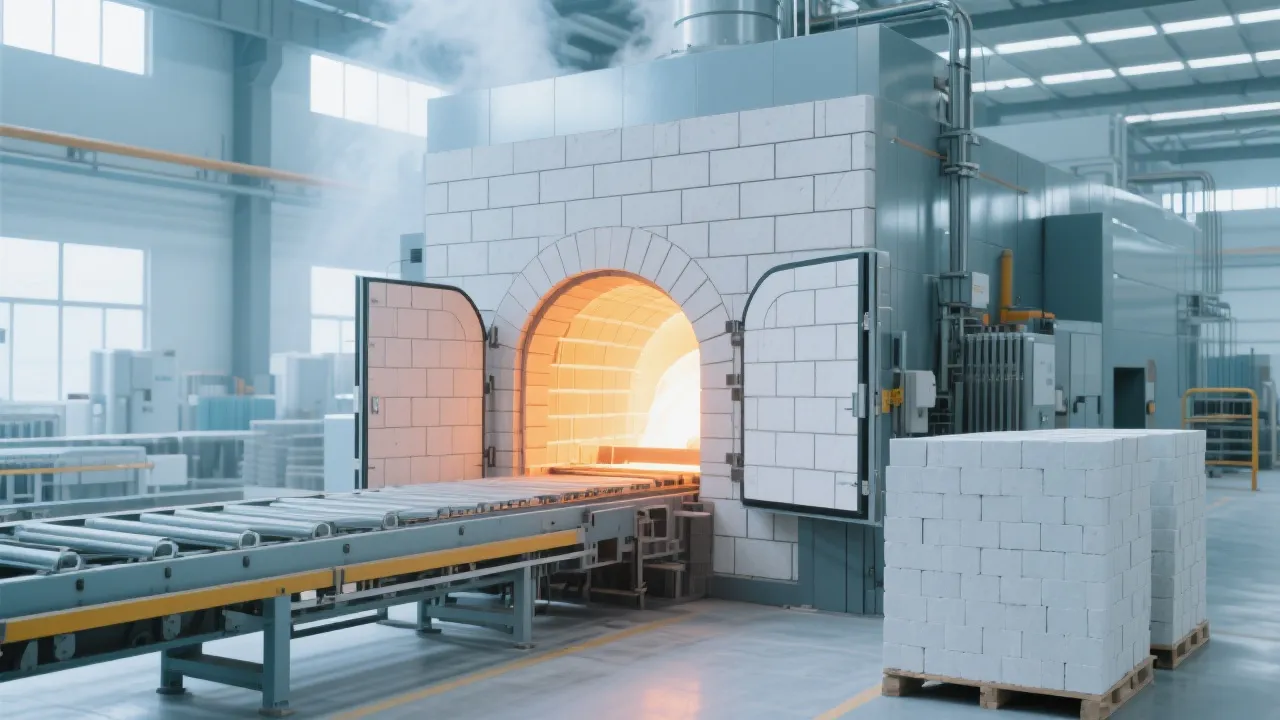
- Follow a 3-stage烘烤 schedule: 100°C (4 hrs), 300°C (6 hrs), 600°C (8 hrs).
- Install expansion joints every 1.2 meters using ceramic fiber board.
These steps are simple—but they make all the difference between a 6-month lining and a 2-year one.
Ready to Build a More Reliable Reactor Liner?
Get our free downloadable guide: "Refractory Installation Checklist & Avoidance Guide"
Download Now →


.jpg?x-oss-process=image/resize,h_1000,m_lfit/format,webp)

.jpg?x-oss-process=image/resize,h_1000,m_lfit/format,webp)