.jpg?x-oss-process=image/resize,h_1000,m_lfit/format,webp)
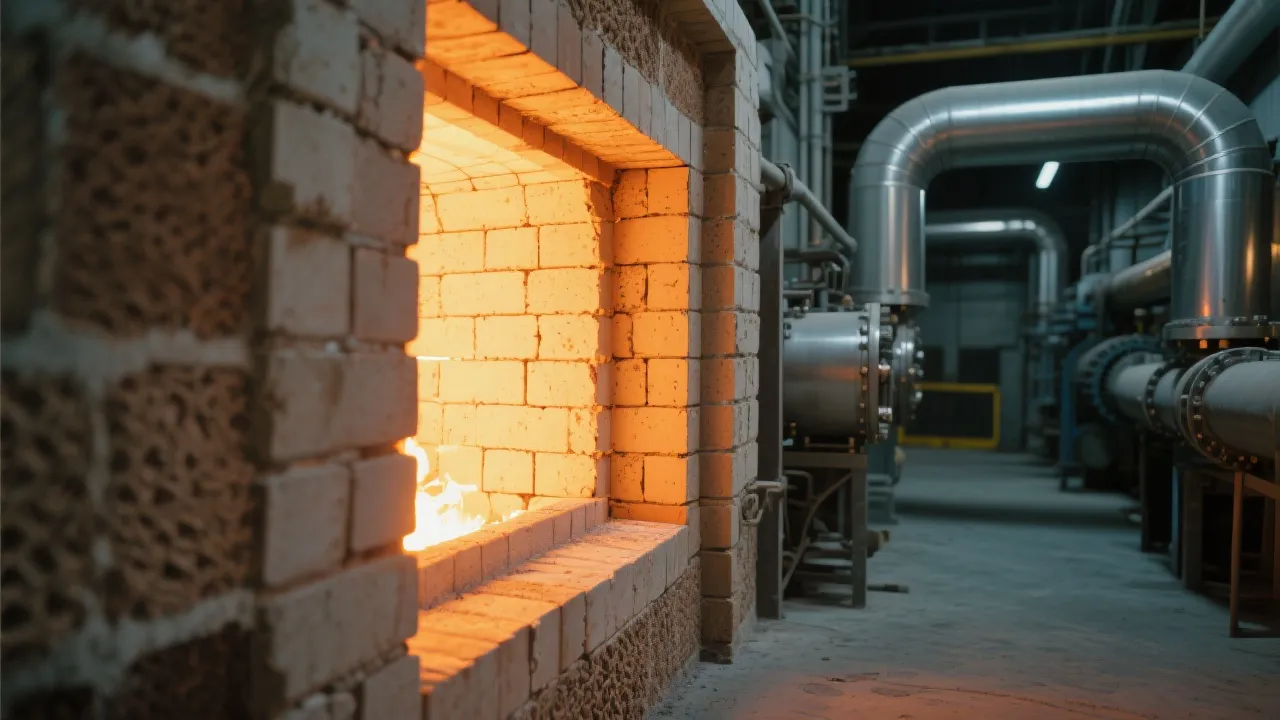
In industries such as steel manufacturing, the performance of refractory materials directly impacts furnace efficiency, operational safety, and maintenance costs. Blast furnace stoves operating at temperatures exceeding 1,500°C and under significant pressure require materials that can withstand extreme thermal cycling, chemical corrosion, and mechanical stress. This article explores the essential properties that define superior refractory materials and why silica bricks have emerged as the preferred choice for modern high-efficiency hot blast stoves.
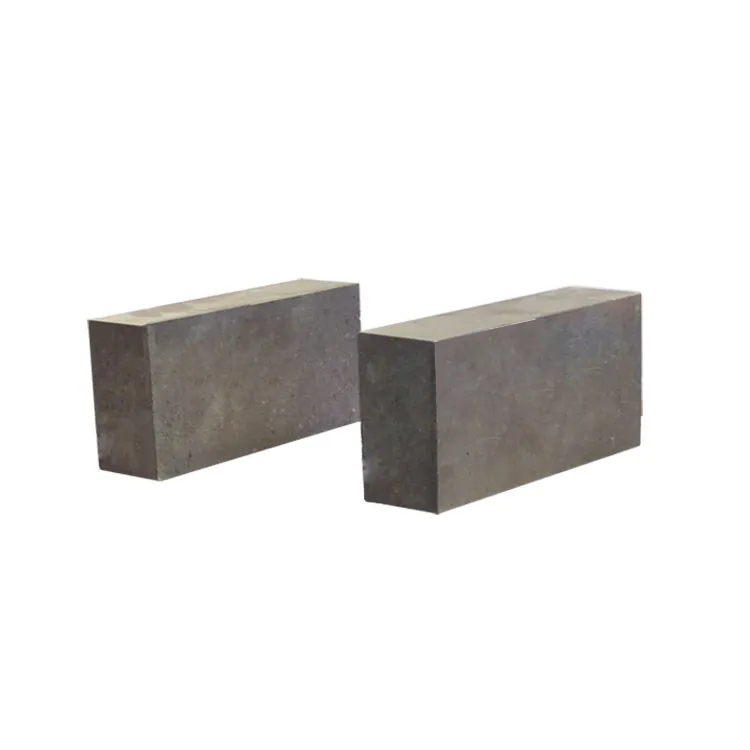
The ability to maintain structural integrity at operating temperatures is fundamental. Silica bricks typically offer a service temperature range of 1,600-1,750°C, outperforming fire clay bricks (1,300-1,450°C) and high-alumina bricks (1,450-1,600°C) in continuous high-temperature applications.
Optimal heat transfer efficiency is critical for energy conservation. Silica bricks exhibit a thermal conductivity of 1.2-1.5 W/(m·K) at 1,000°C, balancing heat retention and distribution better than alternative materials, reducing fuel consumption by up to 15% in properly designed systems.
Resistance to alkaline gas corrosion (K2O, Na2O) and slag penetration determines material lifespan. Silica bricks demonstrate 30-40% better resistance to alkaline attack compared to high-alumina bricks in typical blast furnace environments.
High-temperature compressive strength (≥25 MPa at 1,400°C) and thermal shock resistance (≥30 cycles) ensure structural stability during rapid temperature fluctuations, minimizing cracking and spalling.
.jpg)
| Performance Parameter | Fire Clay Bricks | High-Alumina Bricks | Silica Bricks |
|---|---|---|---|
| Max Service Temperature | 1,300-1,450°C | 1,450-1,600°C | 1,600-1,750°C |
| Alkaline Corrosion Resistance | Low | Moderate | High |
| Thermal Shock Resistance | Moderate | High | Excellent |
| Typical Service Life in Hot Blast Stoves | 3-5 years | 5-8 years | 8-12 years |
Have you experienced furnace downtime due to premature refractory failure? A leading steel mill in Germany reported reducing maintenance intervals by 67% after switching to precision-engineered silica bricks, resulting in annual savings of over €400,000 in production losses and replacement costs.
While material composition is essential, manufacturing precision significantly impacts refractory performance in high-temperature environments. Tight dimensional control ensures proper brick alignment, minimizing gaps that can lead to gas leakage and heat loss.
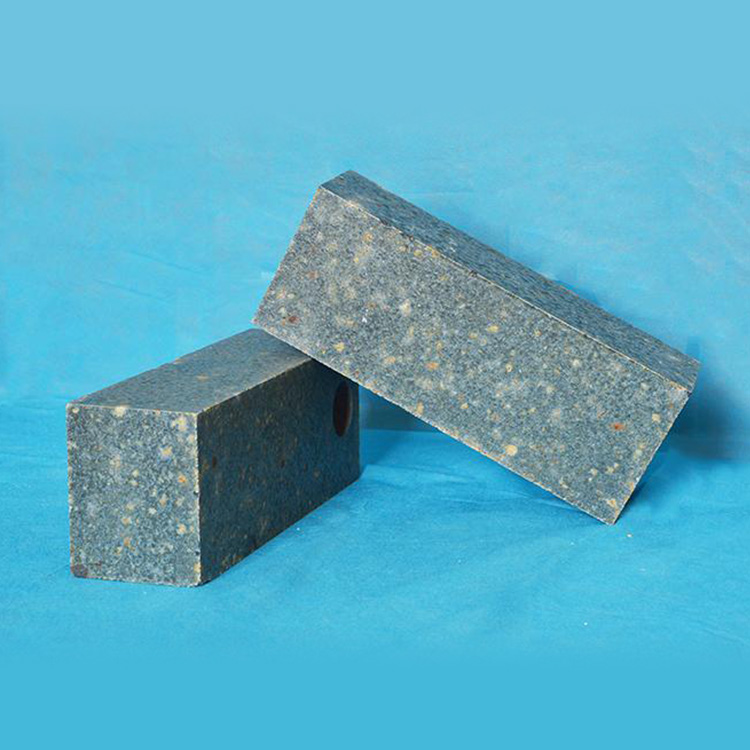
These tight tolerances prevent the formation of hot spots and gas bypass channels, which can reduce stove efficiency by up to 20% and significantly shorten refractory service life. Manufacturers like Sunrise employ advanced pressing and firing techniques to maintain these critical dimensions consistently across production batches.
In a recent case study, a Chinese steel producer upgraded their blast furnace hot blast stoves from high-alumina bricks to premium silica bricks with tight dimensional control. The results after 18 months of operation included:
12%
Reduction in fuel consumption
40%
Decrease in maintenance costs
28%
Increase in hot blast temperature stability
55%
Extension of maintenance intervals
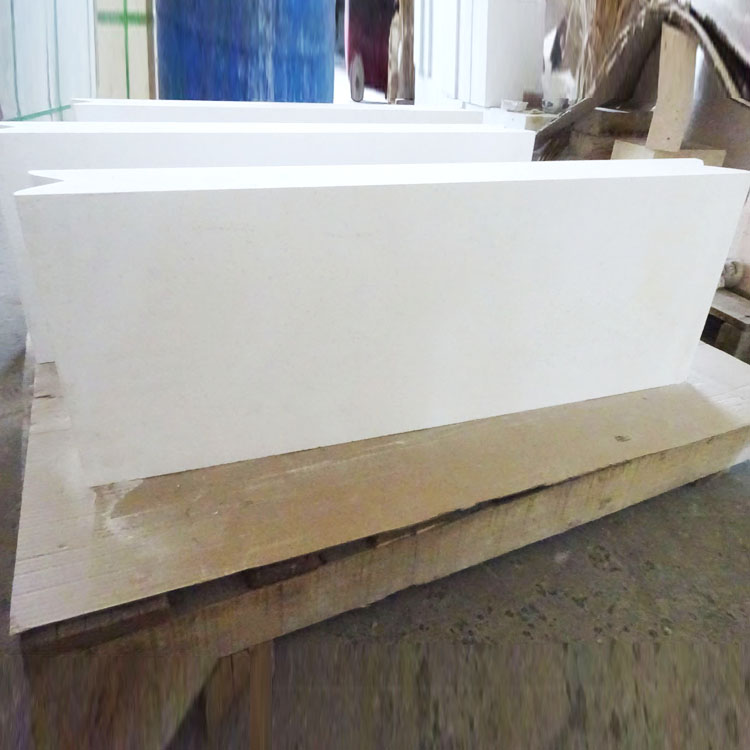
Beyond material properties and manufacturing precision, the value of a reliable refractory supplier cannot be overstated. Established brands like Sunrise bring decades of application expertise, consistent quality control, and comprehensive technical support to ensure optimal performance throughout the material lifecycle.
From initial material selection and custom brick design to installation guidance and performance monitoring, a partner with deep industry knowledge can help navigate the complex requirements of modern high-temperature industrial processes. This holistic approach ensures that the selected refractory solution not only meets technical specifications but also delivers measurable operational and economic benefits.
Discover how Sunrise silica bricks with precision engineering can enhance your furnace efficiency, reduce maintenance costs, and extend service life in the most demanding high-temperature environments.
Download the Complete Technical Specification GuideThe information provided in this article is based on industry standards and typical performance data. Actual results may vary depending on specific operating conditions and installation practices. Always consult with qualified refractory engineers for application-specific recommendations.