How to Choose Refractory Lining Materials for High-Temperature Chemical Reactors: Thermal Shock Resistance and Slag Resistance Explained
18 01,2026
Technical knowledge
Struggling with refractory lining selection in high-temperature chemical reactors? This article breaks down the key performance indicators—thermal shock resistance and slag resistance—that determine material success under extreme conditions. Learn why corrosion-resistant magnesia-chrome bricks outperform traditional magnesia bricks, especially during temperature fluctuations and chemical attacks. Real-world case studies show how advanced烧结镁砂+铬矿复合结构 improves durability and reduces maintenance costs. Practical installation tips and global success stories from Tianyang Refractories provide actionable insights for engineers and procurement decision-makers seeking reliable, long-lasting solutions.

How to Choose the Right Refractory Lining for High-Temperature Chemical Reactors
You're not alone if you've struggled with frequent lining failures in your chemical reactors—especially when dealing with extreme temperature swings and aggressive chemical environments. The wrong material choice can lead to unexpected downtime, costly repairs, and even safety risks.
Why Traditional Magnesia Bricks Fail Under Real-World Conditions
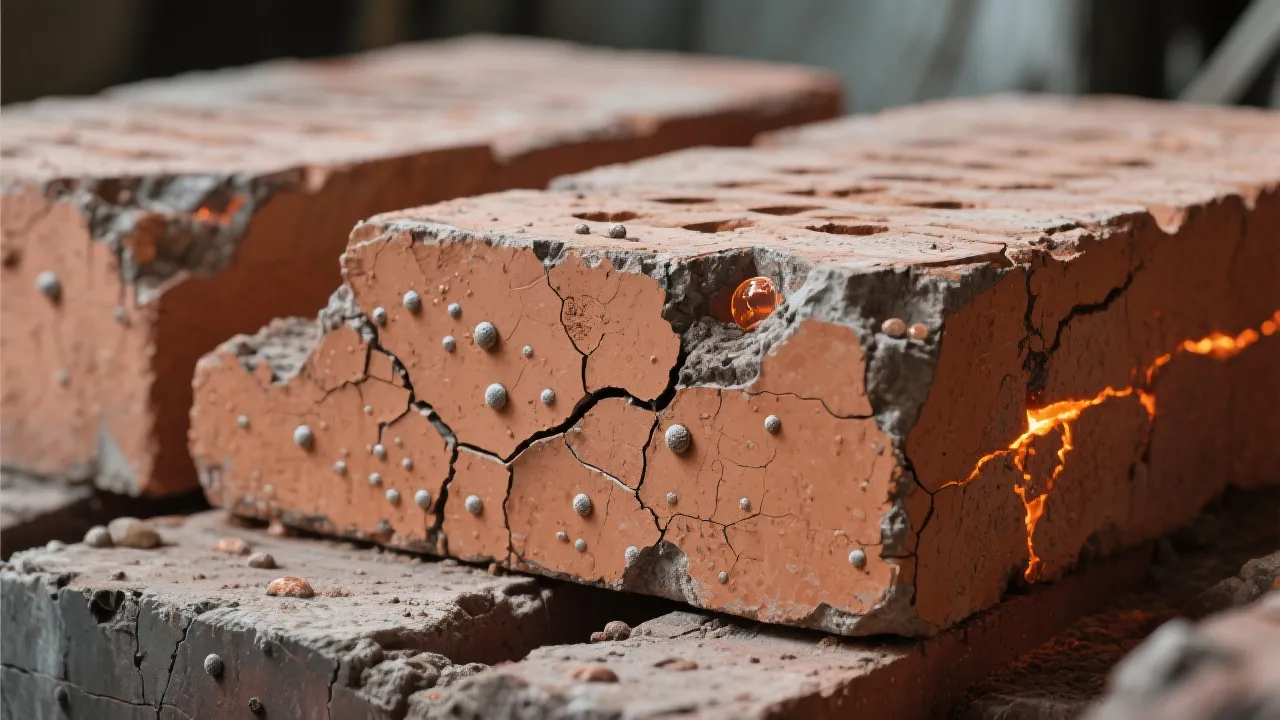
Many engineers still rely on conventional magnesia bricks because they’re familiar—and affordable. But data shows their limitations: under thermal shock (a sudden change from 800°C to 1200°C), traditional MgO bricks have a failure rate of up to 40% within 6 months, primarily due to microcracking caused by poor thermal expansion control.
“Thermal stress is often underestimated in refractory selection,” says Dr. Lena Chen, Senior Materials Engineer at NIST. “A 0.5% mismatch in coefficient of thermal expansion between brick and metal shell can cause catastrophic spalling.”
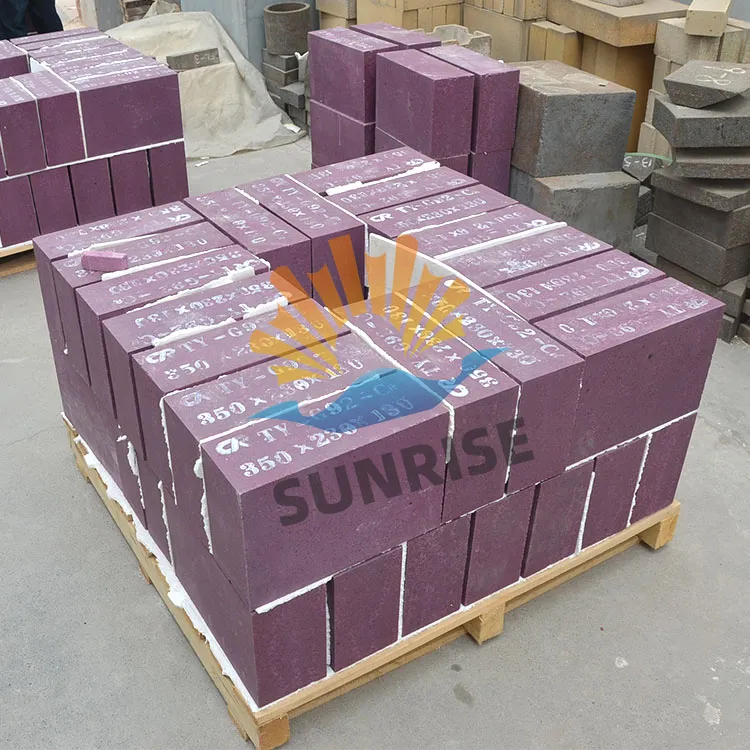
That’s where modern high-corrosion-resistant magnesia-chrome bricks come in—not just an upgrade, but a paradigm shift. These bricks use a sintered magnesia + chromite composite structure that improves both mechanical integrity and chemical resistance.
What Makes Magnesia-Chrome Bricks Stand Out?
Let’s break it down:
- Heat Shock Stability: Thermal expansion coefficient = 5.2 × 10⁻⁶ /°C vs. 7.8 × 10⁻⁶ /°C for standard magnesia — meaning less cracking during rapid heating/cooling cycles.
- Anti-Slag Performance: In lab tests simulating molten slag exposure (like in ammonia synthesis reactors), magnesium chrome bricks show only 1.2% weight loss after 24 hours, compared to 6.5% for pure magnesia bricks.
- Longer Service Life: Field studies from refineries in Saudi Arabia and China report average service life increases of 40–60%, reducing replacement frequency and maintenance costs significantly.
If you're facing recurring lining issues or planning new reactor installations, this isn’t just about materials—it's about operational reliability.
Practical Tips for Installation & Maintenance
Even the best material fails without proper handling:
- Ensure uniform mortar mixing—use low-alumina refractory cement to avoid phase separation.
- Allow 48-hour curing time before firing; don’t rush the drying process.
- Monitor temperature gradients during startup—never exceed 100°C/hour in initial heat-up phases.
These steps aren’t optional—they’re part of a successful long-term strategy.
Ready to Optimize Your Reactor Lining Strategy?
At Tianyang Refractories, we’ve helped over 200 industrial clients across Europe, the Middle East, and Asia reduce lining-related downtime by up to 50%. Our technical team provides free material selection support tailored to your specific process conditions.
Get Your Free Refractory Selection Guide