In the demanding environments of ceramic, metallurgical, and glass production, the choice of refractory materials for high-temperature industrial kilns directly impacts operational stability and longevity. This article delves into critical parameters such as thermal expansion coefficients, thermal shock resistance, and creep behavior of common kiln furniture materials like andalusite, mullite, and corundum, specifically within temperature ranges of 1000ºC to 1300ºC. Understanding these properties is key to mitigating cracking and deformation risks, ultimately enhancing kiln performance and cost-efficiency.
Thermal expansion refers to the dimensional change materials undergo when exposed to temperature variations. Mismatch in thermal expansion between kiln components can induce mechanical stresses, leading to cracking or warping of kiln furniture. The coefficient of thermal expansion (CTE), generally expressed in 10-6/°C, quantifies this property. Optimizing material selection to align CTE values with operational cycles reduces stress accumulation.
| Material | Thermal Expansion Coefficient (×10-6/°C) | Typical Operating Range (°C) | Thermal Shock Resistance |
|---|---|---|---|
| Andalusite (Kyanite) | 3.0 - 4.0 | 50–1300°C | High |
| Mullite (3Al2O3·2SiO2) | 4.5 - 5.0 | 1000–1600°C | Moderate |
| Corundum (Al2O3) | 7.5 - 8.0 | 1200–1750°C | Low to Moderate |
Beyond thermal expansion, refractory materials face cyclic heating and cooling, which can produce thermal shocks resulting in microfractures or macro-cracks. Andalusite’s superior thermal shock resistance owes to its low CTE and stable lattice structure, making it ideal for rapid temperature fluctuations. Mullite offers a good compromise of thermal shock resistance and high-temperature strength, commonly employed in kiln furniture that endures sustained high temperatures. Corundum, though having higher strength at elevated temperatures, exhibits higher thermal expansion, thus more susceptible to thermal stress-induced damage unless carefully engineered.
Creep — the time-dependent deformation under constant stress at high temperature — critically affects kiln furniture longevity. Materials like mullite show lower creep rates in the mid-temperature range (1000~1300ºC), promoting dimensional stability in prolonged firing cycles.
In a ceramic tile production line operating consistently at 1200ºC, kilns equipped with mullite-based kiln furniture demonstrated a 15% reduction in cracking incidents over a 12-month period compared to previous andalusite installations. This improvement was attributed to mullite's balanced thermal expansion and creep resistance, aligning closer to the ceramic body’s properties.
Alternatively, glass melting furnaces operating near 1300ºC benefit from corundum linings due to their superior resistance to chemical corrosion and high-temperature strength, despite necessitating stringent thermal management protocols to mitigate cracking risks.
Selecting the optimal refractory material requires a consideration matrix incorporating:
Routine nondestructive testing such as ultrasonic pulse velocity and thermomechanical analysis (TMA) provide early detection of cracking tendencies and verify thermal expansion compliance. Periodic microstructural inspections ensure ongoing material integrity, guiding timely maintenance interventions.
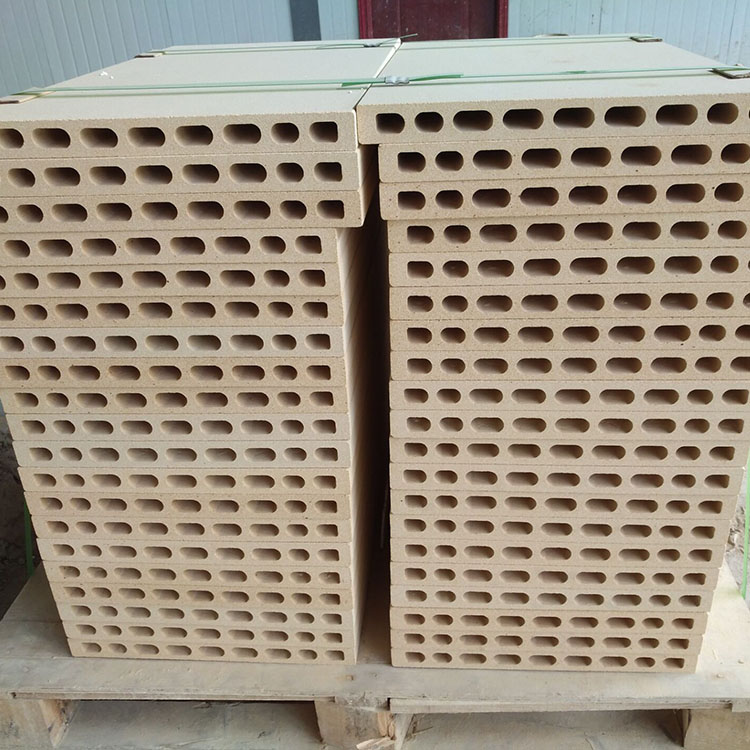
Engineering teams are encouraged to leverage advanced selection tools that integrate material technical datasheets, operational parameters, and cost-performance models. Interactive calculators and selection guides assist in predicting thermal stresses and lifecycle costs, empowering informed, data-driven decisions.
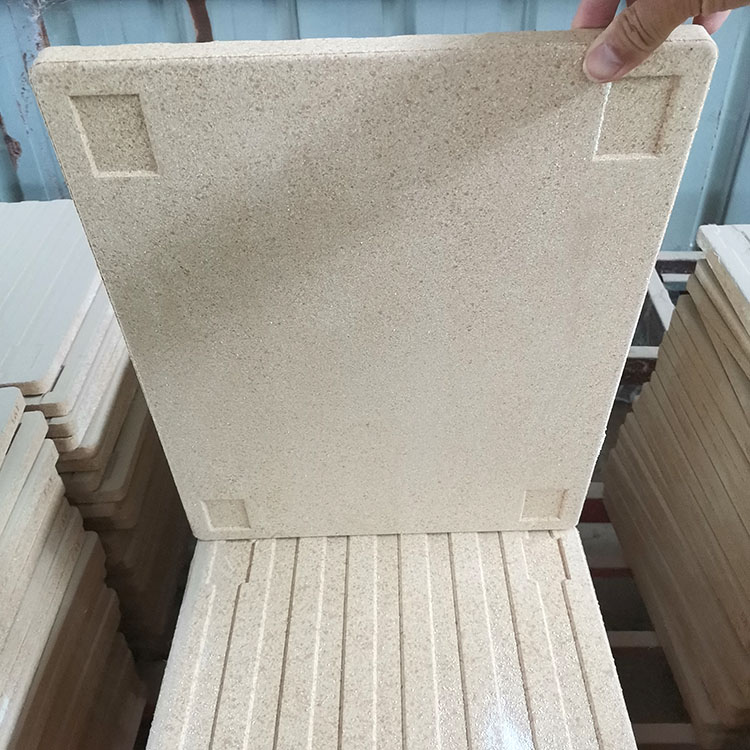
Have questions about your kiln materials? Use our recommended Kiln Furniture Selection Toolkit to evaluate your specific requirements and access detailed performance data.






.jpg?x-oss-process=image/resize,h_1000,m_lfit/format,webp)