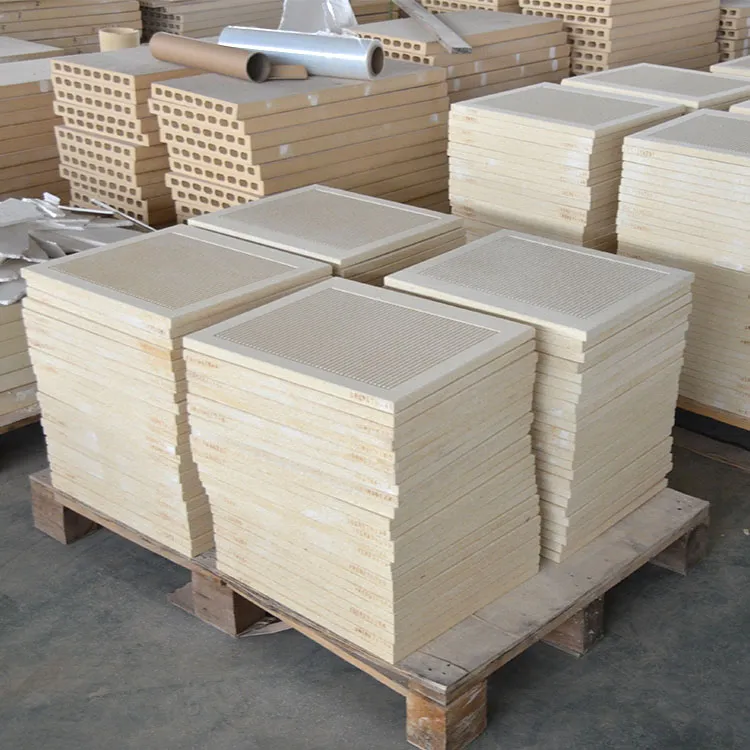
In the realm of high-temperature industrial processes, the performance of refractory materials directly impacts operational efficiency, safety, and bottom-line results. Among these materials, silica bricks stand out for their exceptional thermal stability and load-bearing capacity in extreme heat environments. A key technical parameter that significantly influences their performance is silica (SiO₂) content, typically recommended to exceed 95% for optimal results in applications such as hot blast stoves, glass melting furnaces, and coke ovens.
Silica bricks derive their unique properties from their crystalline structure, primarily composed of tridymite and cristobalite phases that form during high-temperature firing. Laboratory testing shows that silica bricks with 95%+ SiO₂ content exhibit:
Industry research conducted by the Refractory Materials Association demonstrates a clear correlation between silica content and critical performance indicators:
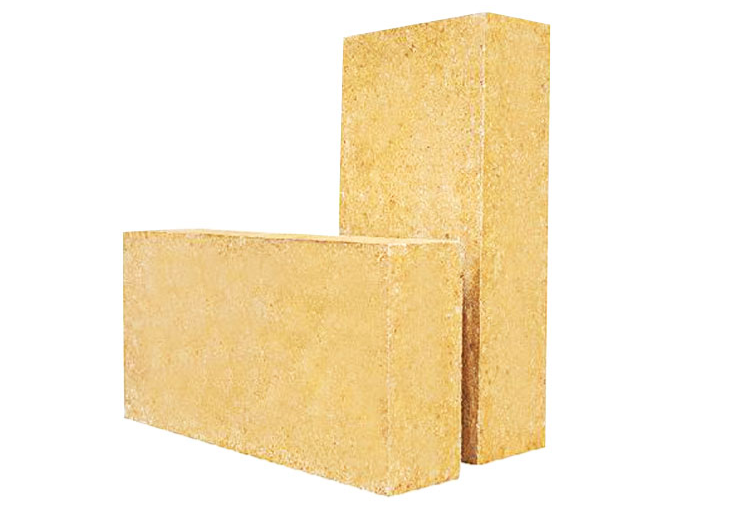
At Sunrise, our engineering team has documented that increasing silica content from 90% to 96% results in a 23% improvement in thermal stability and a 17% increase in service life for hot blast stove applications. This translates directly to reduced maintenance costs and extended production cycles for our industrial clients.
Different industrial furnace applications present unique challenges that make silica content a critical consideration:
Require silica content above 96% to withstand cyclic temperatures up to 1450°C, with minimal expansion/contraction to prevent structural damage.
Benefit from 95-97% silica content to maintain dimensional stability while resisting glass melt corrosion.
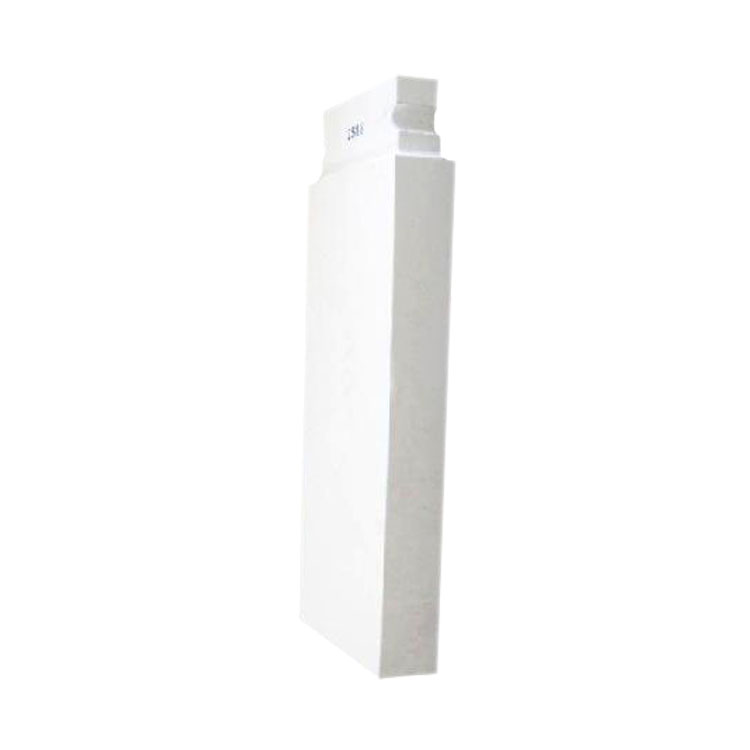
Selecting high-silica bricks requires balancing multiple technical factors beyond just SiO₂ percentage:
Many procurement professionals assume higher silica content always equals better performance, but this oversimplification can lead to unnecessary costs. Our technical consultants at Sunrise often encounter situations where 96% silica bricks outperform 98% alternatives in specific cyclic temperature applications due to optimized microstructure.
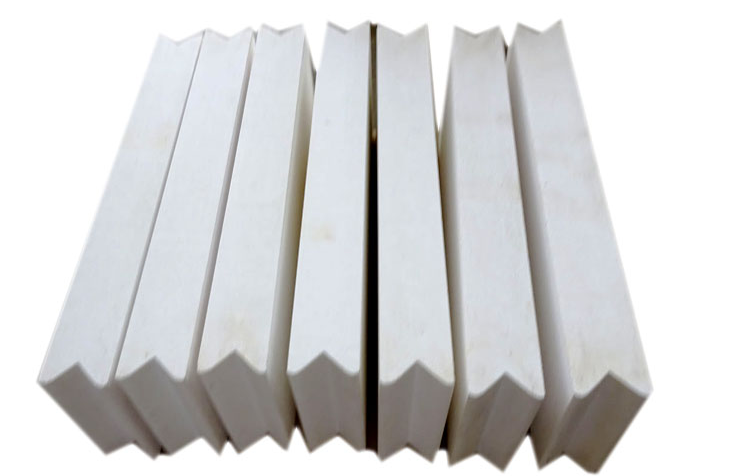
Modern industrial processes demand refractory solutions tailored to specific operational conditions. At Sunrise, we've developed proprietary manufacturing techniques that optimize the microstructure of our high-silica bricks, ensuring consistent performance across temperature gradients and thermal cycling patterns unique to each application.
Our technical team recently collaborated with a major steel producer to resolve persistent maintenance issues in their hot blast stoves. By implementing a custom-engineered 96.5% silica brick solution with optimized grain size distribution, we extended maintenance intervals by 40% while reducing energy consumption by 7% through improved insulation properties.
Ready to enhance your industrial furnace efficiency, reduce downtime, and extend service life? Our team of refractory specialists can conduct a comprehensive thermal analysis of your operation and recommend the ideal silica brick solution tailored to your specific conditions.
Request Your Custom Silica Brick ConsultationThe right refractory material selection directly impacts your bottom line through improved energy efficiency, reduced maintenance costs, and extended production cycles. By understanding how silica content influences performance characteristics, you can make informed decisions that optimize your high-temperature processes for maximum reliability and profitability.