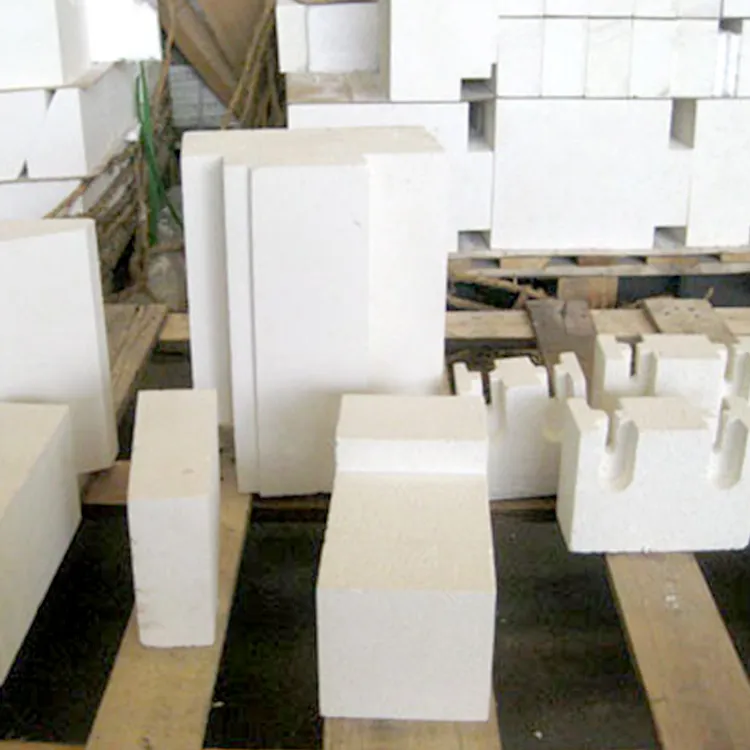
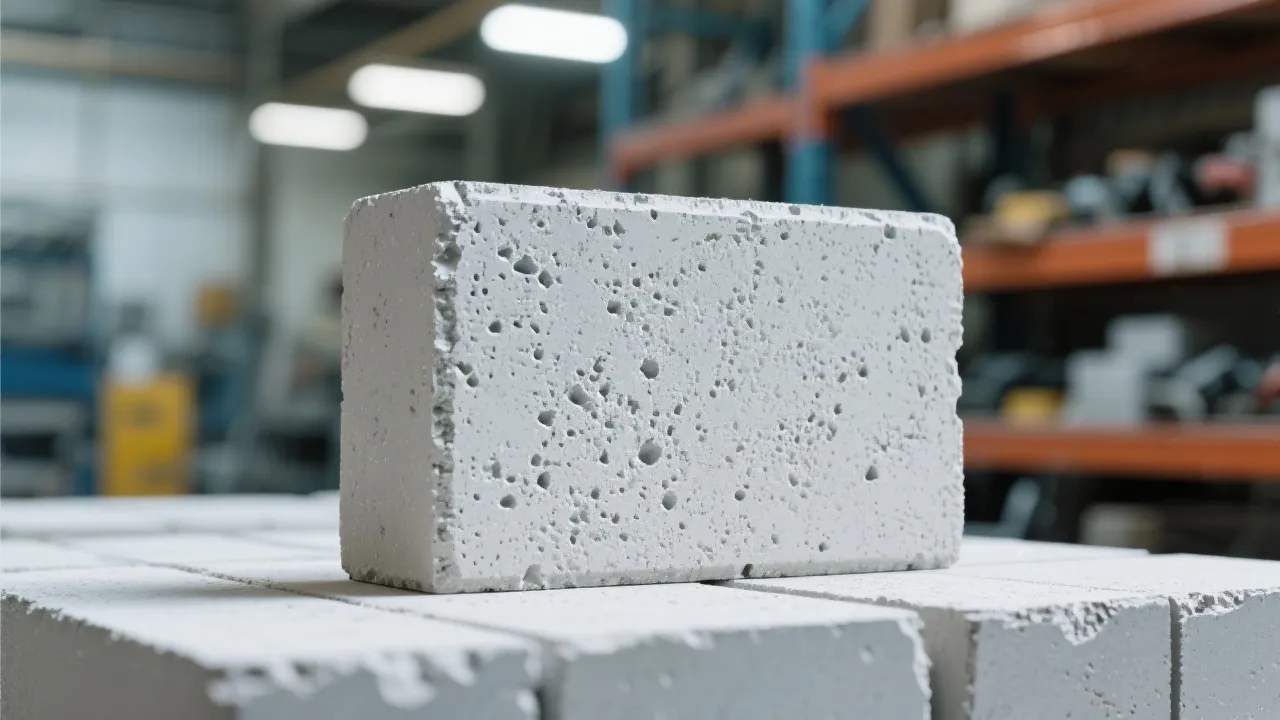
Have you ever experienced furnace downtime due to premature brick failure? In high-temperature industrial processes, the performance of refractory materials directly impacts operational efficiency, safety, and bottom-line results. Among these materials, silica bricks stand as a cornerstone in applications like blast furnace stoves and glass melting furnaces. This article explores how silica content influences the critical properties of these bricks, helping engineers and procurement professionals make informed decisions that enhance both equipment lifespan and production continuity.
Silica bricks are primarily composed of crystalline silica (SiO₂), with purity levels typically ranging from 93% to 98% in industrial grades. This seemingly small percentage range significantly affects material behavior under extreme thermal conditions. The crystalline structure of silica—predominantly tridymite and cristobalite phases—gives these bricks their unique combination of high refractoriness, load-bearing capacity, and thermal shock resistance.
Industry Insight: According to ASTM C1070 standard specifications for silica refractory bricks, materials must maintain structural integrity at temperatures exceeding 1650°C (3002°F) to qualify for high-temperature service applications.
The relationship between silica purity and brick performance follows clear scientific principles. Higher silica content (>95%) generally correlates with:
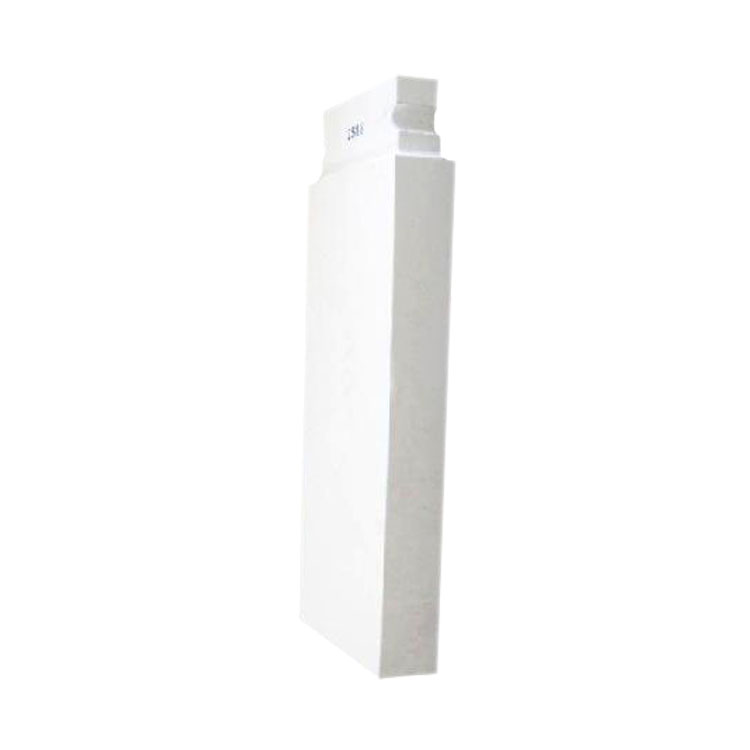
For example, a 97% silica brick typically exhibits a creep rate 30-40% lower than a 94% silica brick when exposed to 1600°C for 1000 hours under standard load conditions. This translates directly to extended service life in critical furnace zones.
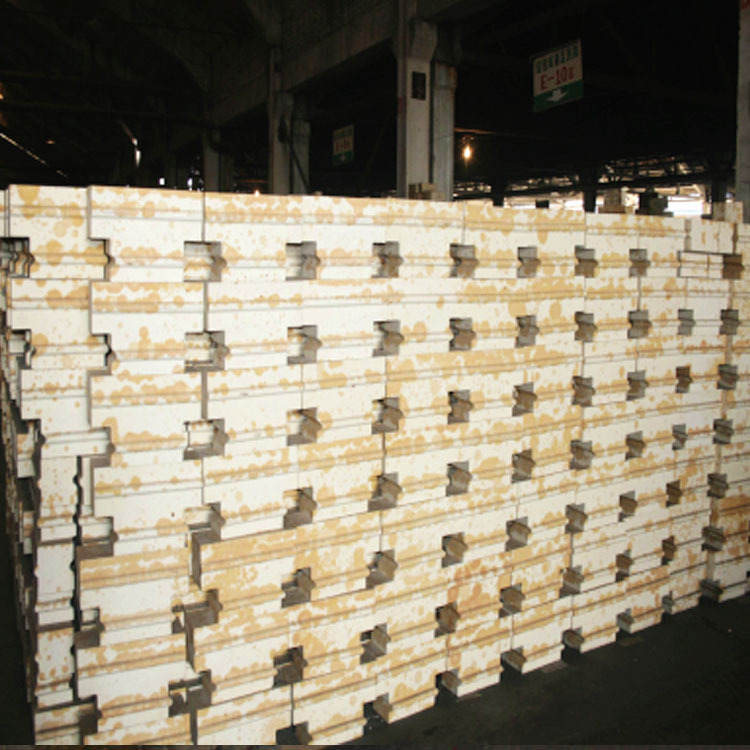
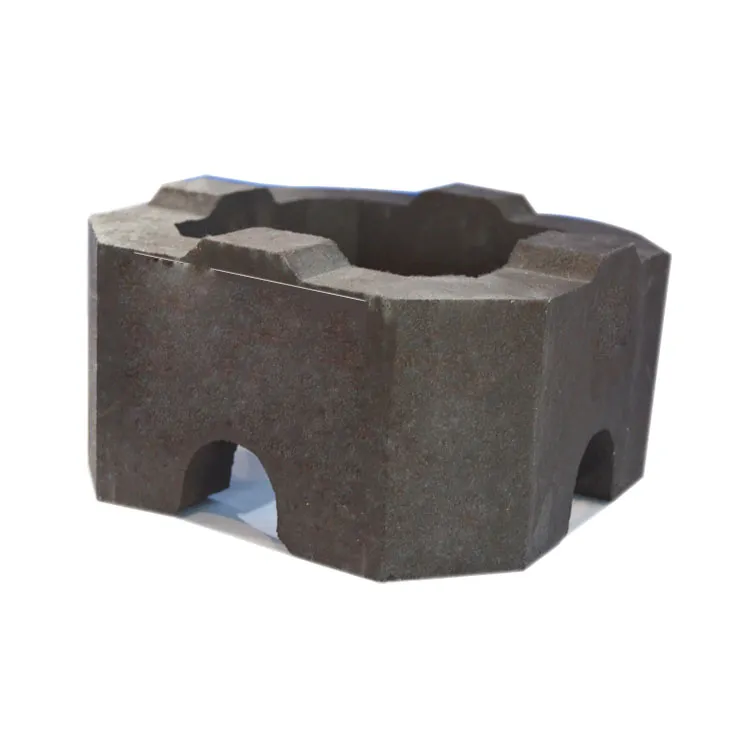
Different industrial processes demand specific silica brick formulations. In blast furnace hot stoves, where temperatures reach 1450-1600°C and thermal cycling is frequent, bricks with 95-96% silica content strike the optimal balance between thermal shock resistance and structural strength. Conversely, glass melting furnaces operating at 1500-1650°C with continuous high temperatures benefit from higher purity (96-98%) bricks that offer superior creep resistance.
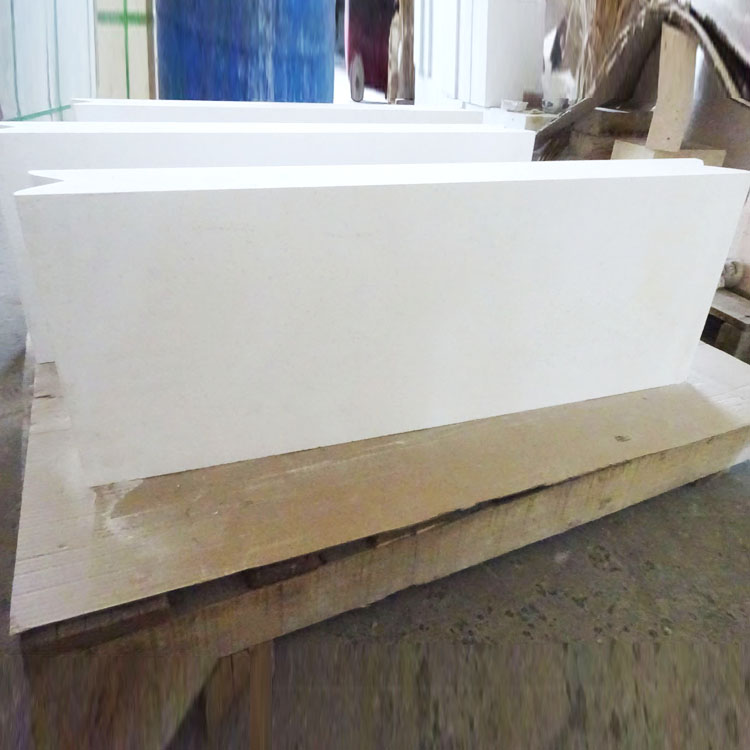
One prevalent misconception is assuming higher silica content always equals better performance. While purity is important, application-specific factors must guide selection: furnace temperature profile, thermal cycling frequency, atmosphere composition, and mechanical load all influence optimal silica content. A brick with 98% silica might actually underperform in a heavily cycled environment compared to a 95% brick with better thermal shock characteristics.
Even the highest quality silica bricks require proper installation to achieve optimal performance. Attention to expansion joint placement is critical, as silica bricks undergo predictable volume changes during heating. A well-designed installation accounts for these changes to prevent structural stresses and cracking.
Long-term performance monitoring also plays a vital role in maximizing furnace efficiency. Regular inspections combined with proper maintenance practices can extend brick life by 20-30% compared to reactive maintenance approaches. Companies like Sunrise have developed proprietary monitoring techniques to help clients optimize their refractory management programs.
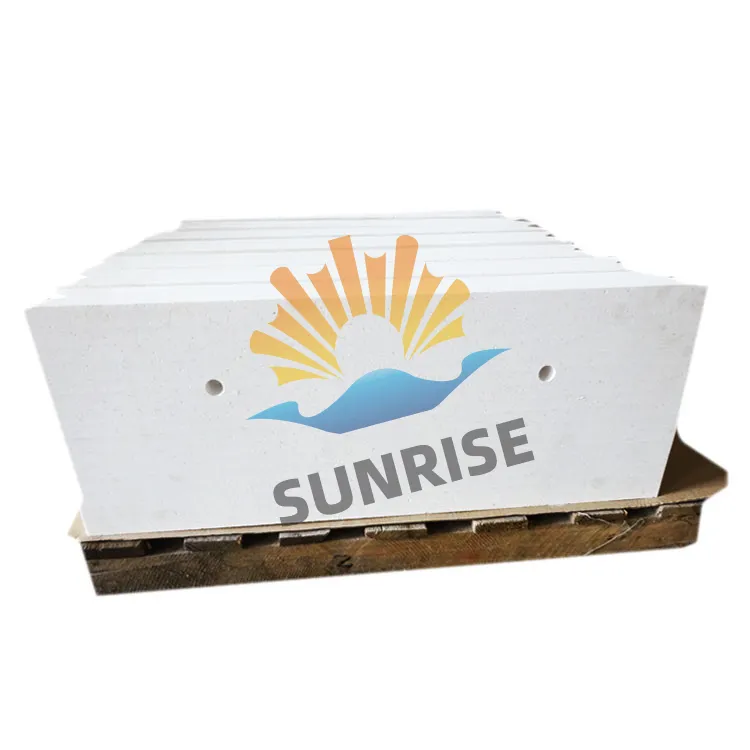
Discover how Sunrise's precision-engineered silica brick solutions can enhance your furnace performance and reduce downtime.
Explore Sunrise High-Purity Silica Brick SolutionsAs refractory technology continues to evolve, innovations in nanomodification and advanced manufacturing techniques promise even greater performance improvements. These developments, however, must always be evaluated against specific application requirements rather than adopted as generic solutions. By understanding the fundamental relationship between silica content and performance characteristics, industry professionals can make decisions that balance technical requirements with economic considerations, ultimately achieving the optimal refractory solution for their unique operating conditions.







.jpg?x-oss-process=image/resize,h_1000,m_lfit/format,webp)