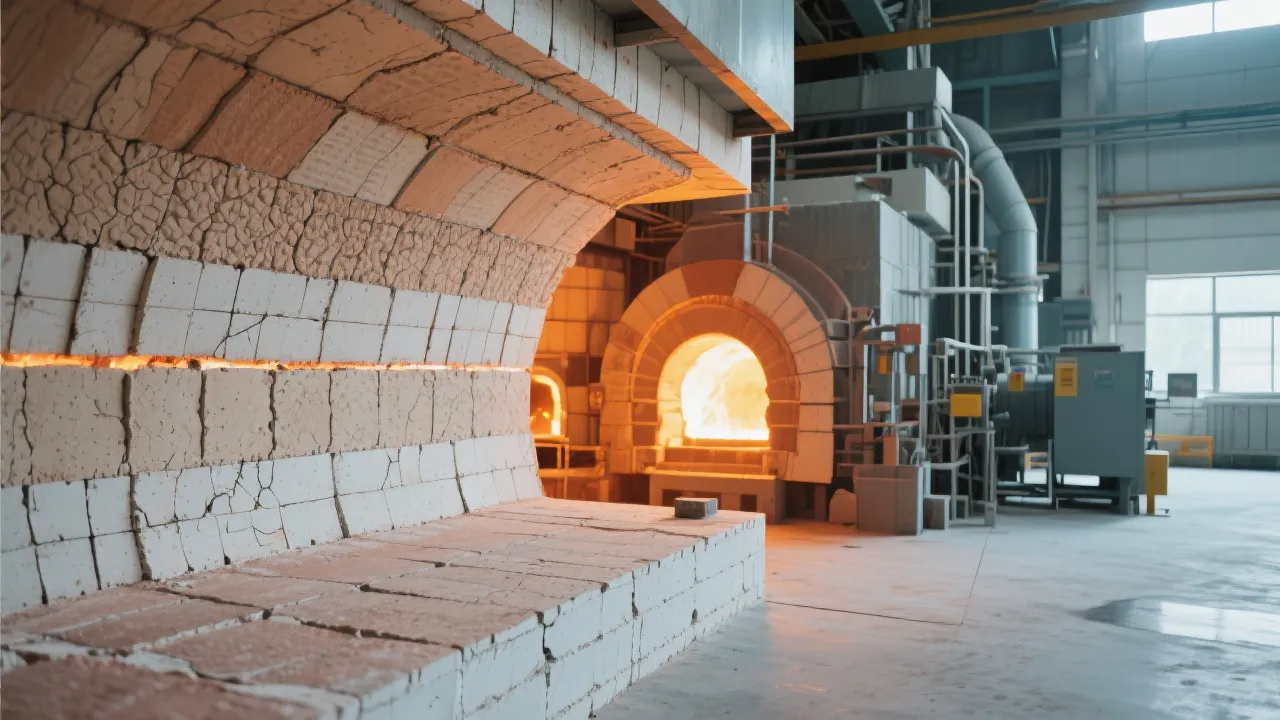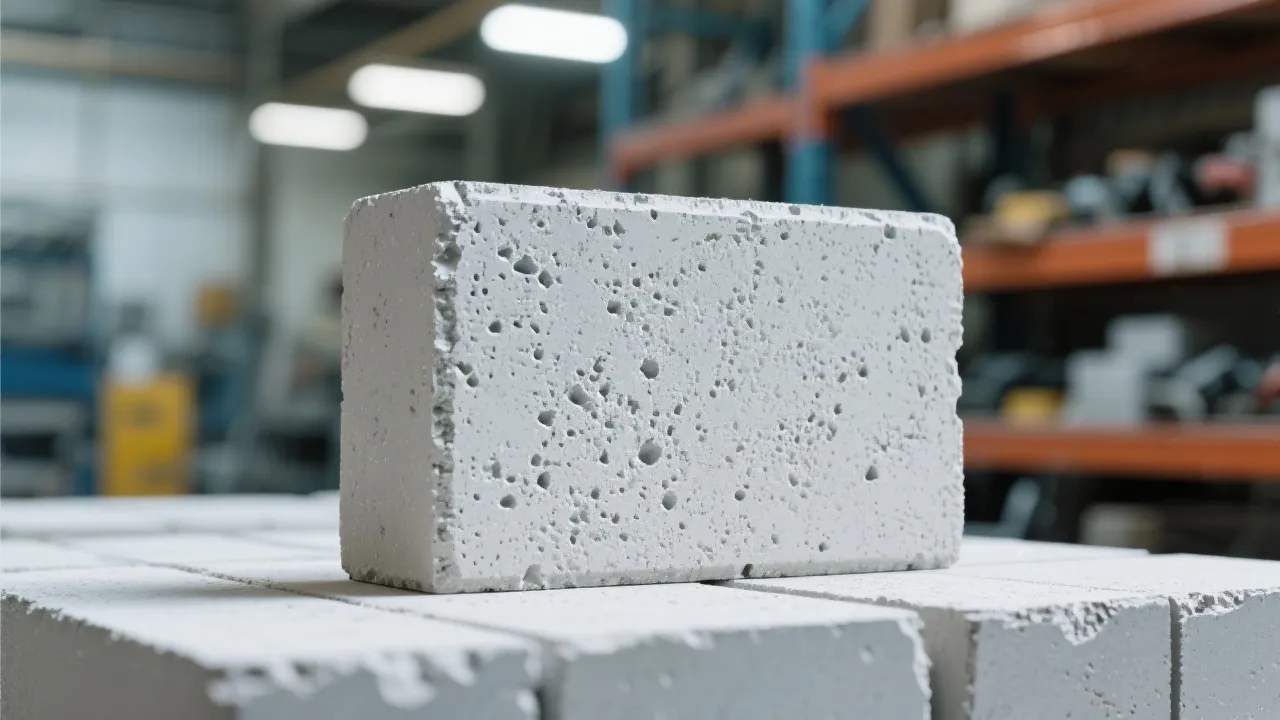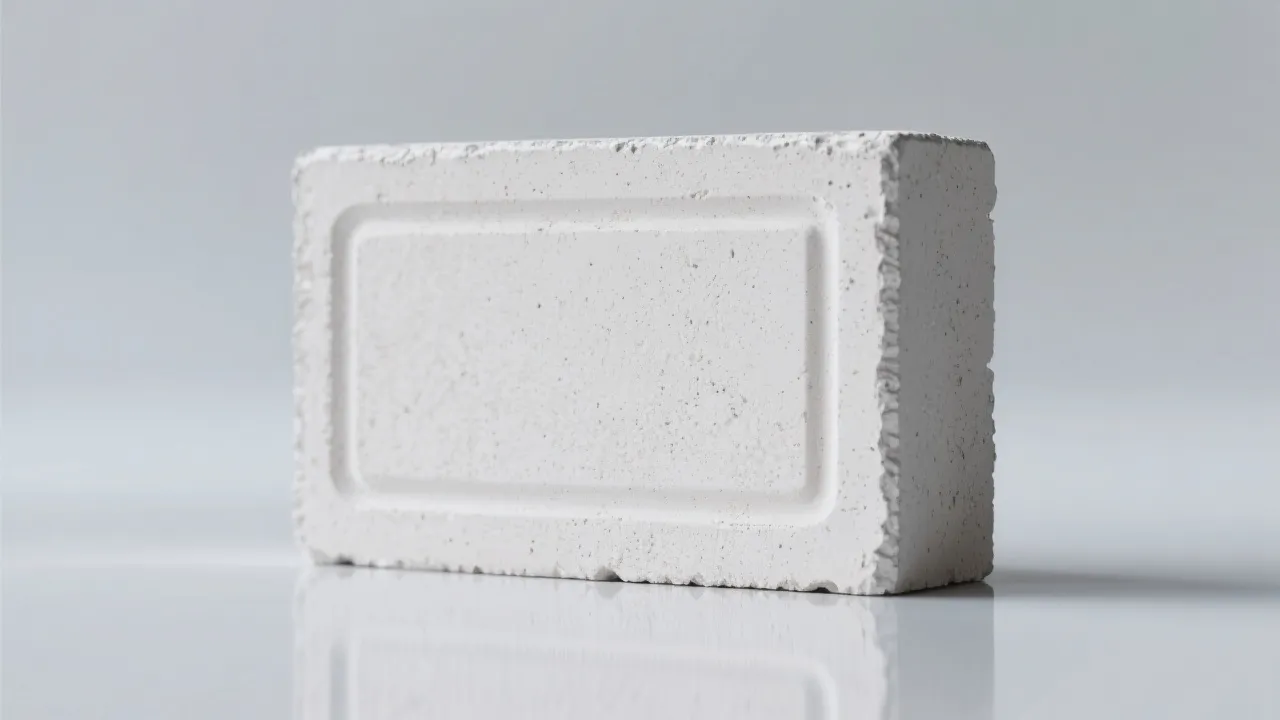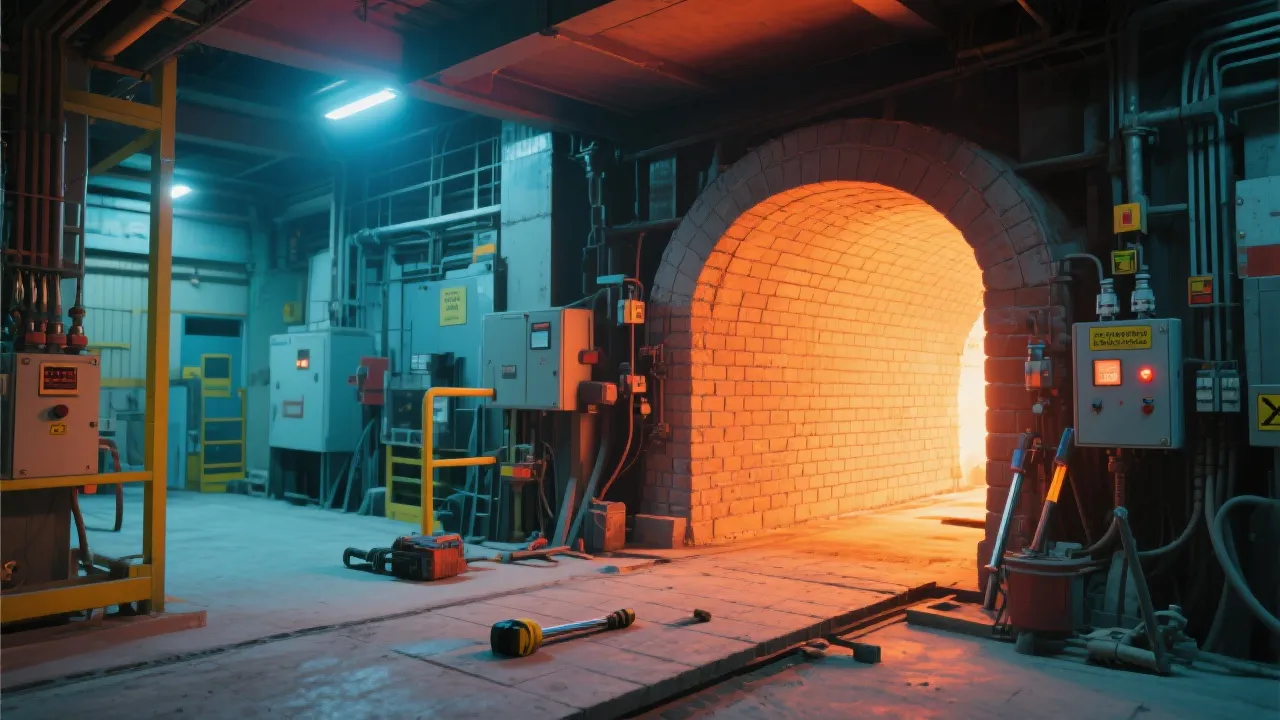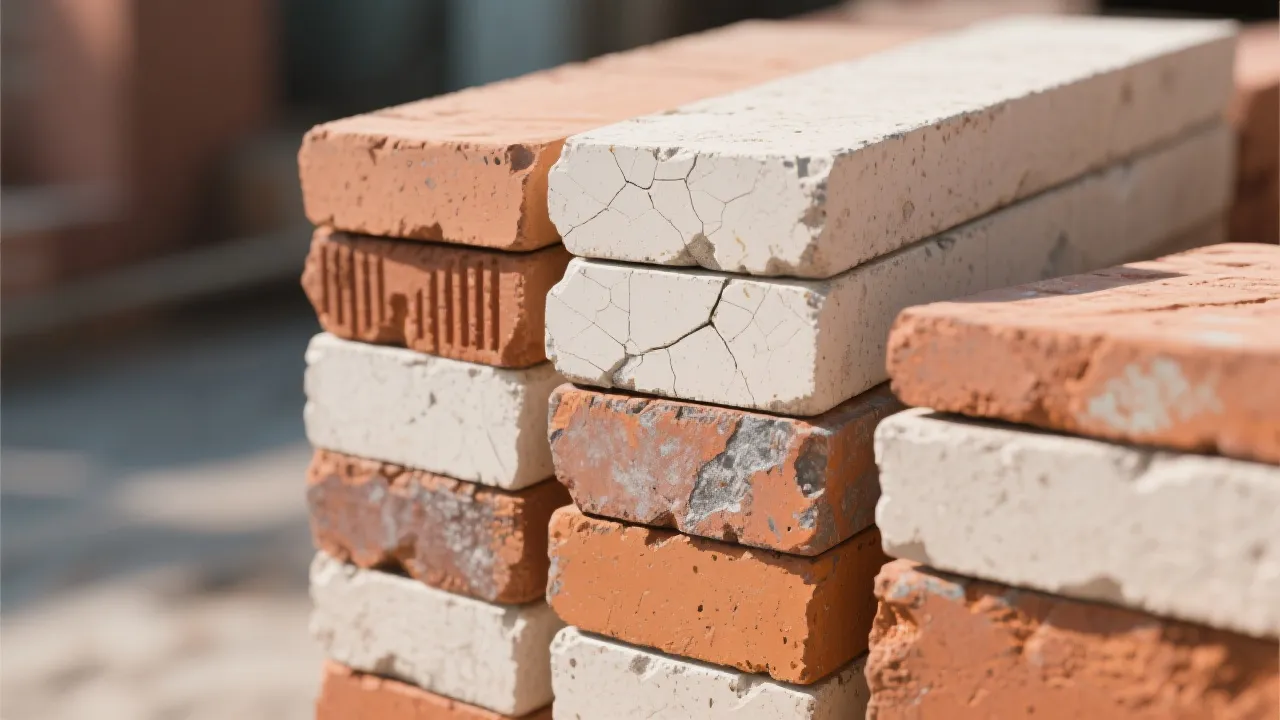
In the demanding environment of chemical reactors, refractory materials must endure drastic temperature fluctuations that challenge their structural integrity. Magnesium-chrome (Mg-Cr) bricks have emerged as a robust solution due to their excellent thermal shock resistance and chemical stability. This article delves into the intrinsic properties of Mg-Cr refractory bricks, focusing primarily on their silicate bonding mechanisms and sintering processes that optimize performance in extreme thermal cycles. By examining industry-specific thermal shock test data and real-world applications, we aim to provide engineers and procurement professionals with technical insights to make informed material selections and maintenance decisions.
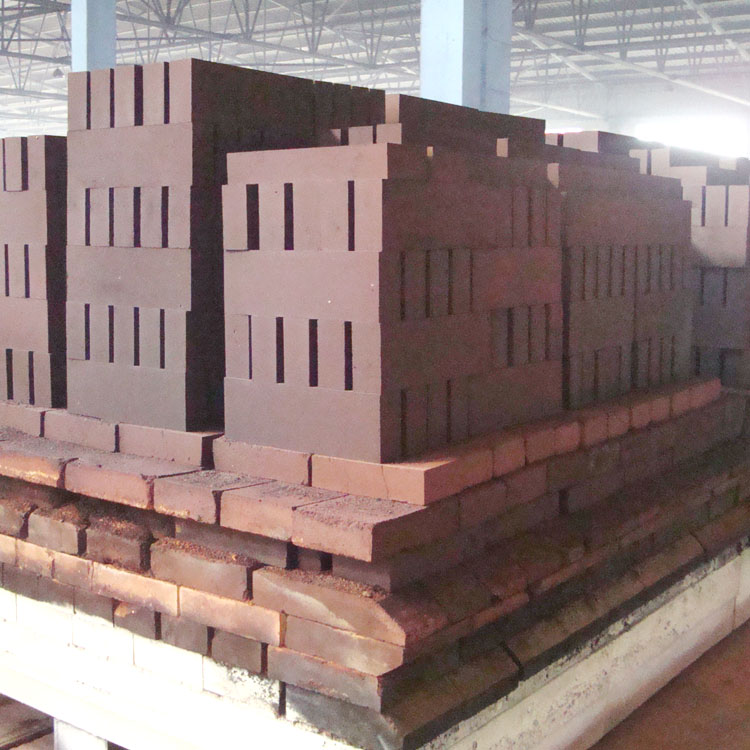
The fundamental composition of Mg-Cr bricks involves high-purity magnesia (MgO) combined with chromite (FeCr2O4 or Cr2O3) additives, creating a spinel phase renowned for its refractory properties. The sintering process, particularly at temperatures ranging from 1600°C to 1800°C, encourages the formation of a dense microstructure with strong grain bonding. This process is essential for enhancing not only mechanical strength but also thermal stability.
A key feature lies in the unique silicate bonding mechanism developed during sintering, where silicate species form a robust bonding network between grains. This network reduces micro-crack propagation under rapid temperature changes, significantly improving thermal shock resistance. Studies indicate that Mg-Cr bricks can tolerate between 150 to 200 thermal shock cycles (1,200°C to room temperature) with less than 10% reduction in flexural strength, outperforming traditional magnesia or alumina bricks by approximately 25-35% in similar tests.
Chemical reactors often face internal temperature variations ranging from 800°C up to 1,400°C, sometimes fluctuating rapidly due to process reactions or operational cycles. Such thermal shocks induce stresses that can cause spalling or cracking in inferior refractory materials.
Selecting Mg-Cr bricks hinges on understanding reactor-specific temperature profiles and chemical exposure. The silicate bonding and dense sintered structure enable these bricks to resist not only thermal shock but also chemical erosion from slags and molten metals frequently encountered in catalytic and oxidation reactions.
| Material | Thermal Cycles (1,200°C → RT) | Strength Retention (%) |
|---|---|---|
| Magnesium-Chrome Brick | 180 | 92% |
| Pure Magnesia Brick | 120 | 70% |
| Alumina Brick | 110 | 68% |
Proper installation directly affects the thermal shock resilience and service life of Mg-Cr bricks. Installation should ensure tight fitting with minimal gaps to reduce thermal stress concentrations. Use high-quality silicate-based mortar compatible with Mg-Cr bricks to maintain bonding strength during temperature cycling.
For maintenance, routine inspection for micro-cracks or surface scaling is vital, especially after repeated thermal cycles exceeding 150 times. Repairs should involve using rebonding mortars that preserve the silicate network and replace degraded bricks promptly to prevent cascading failures.
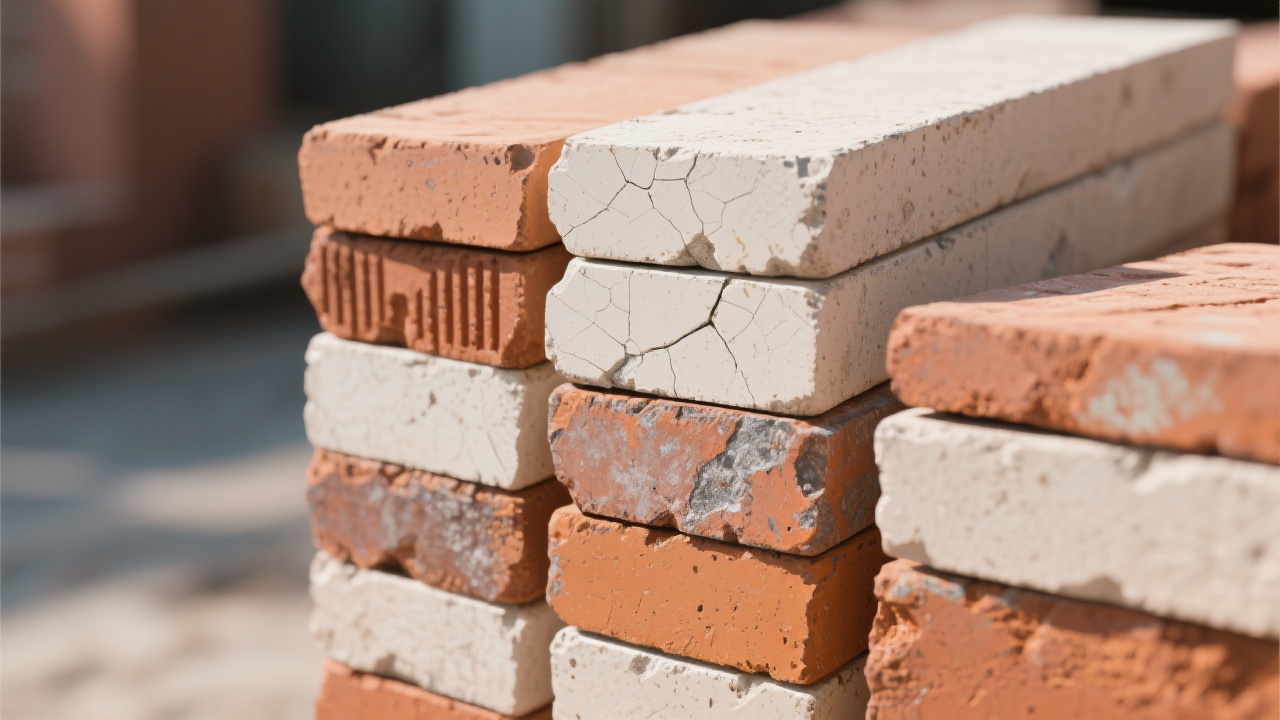
A leading chemical plant replaced its conventional magnesia bricks with sintered Mg-Cr bricks in a high-temperature oxidation reactor experiencing frequent thermal cycling between 900°C and 1,300°C. Post-installation monitoring over 18 months exhibited a 30% decrease in maintenance downtime and a 20% improvement in reactor operational efficiency, attributed to reduced refractory failures and improved thermal insulation.
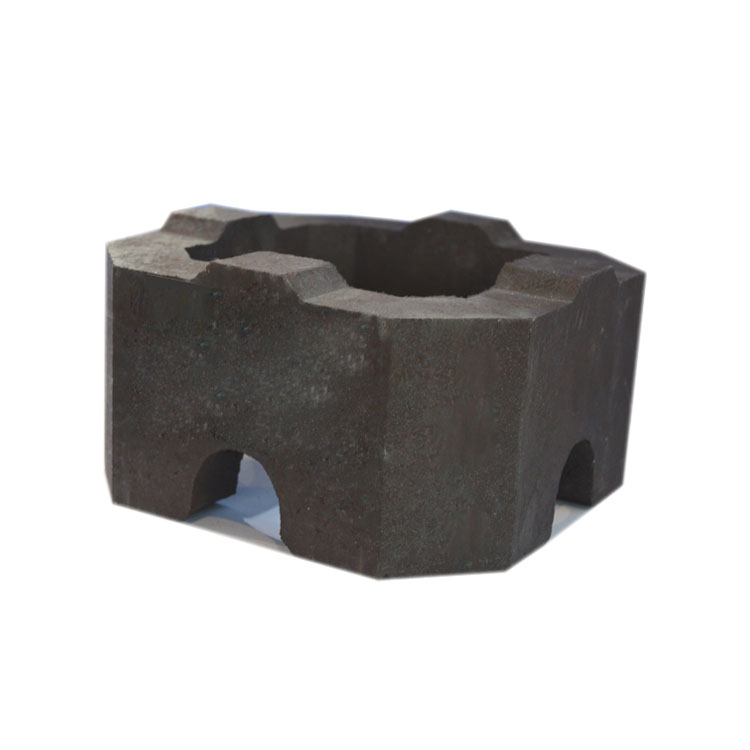
When evaluating Mg-Cr bricks for procurement, consider the following technical criteria: