Understanding the thermal shock resistance of kiln furniture materials is pivotal in optimizing glass manufacturing processes. Frequent failures such as cracking and deformation not only cause costly downtime but also compromise product quality. This article presents a detailed comparative analysis of common kiln materials — andalusite, corundum, and mullite — under extreme temperatures ranging from 1000°C to 1300°C, emphasizing their thermal expansion coefficients, heat shock durability, and creep behavior to guide informed material selection in industrial settings.
In glass production, kiln furniture is continuously exposed to drastic thermal cycling. Typical failure mechanisms include:
- Thermal cracking due to rapid temperature changes
- Dimensional instability caused by creep and permanent deformation
- Surface degradation reducing heat transfer efficiency
These issues result in frequent maintenance interruptions and diminished furnace life, impacting overall production stability and profitability.
Selecting the appropriate kiln furniture material begins with understanding their intrinsic properties under high-temperature conditions:
| Material | Thermal Expansion Coefficient (10⁻⁶ /°C) | Thermal Shock Resistance (Cycles at 1200°C) | Creep Rate (10⁻⁶ /h at 1300°C) |
|---|---|---|---|
| Andalusite (堇青石) | 4.5 | 150 cycles | 5 |
| Corundum (刚玉) | 7.1 | 90 cycles | 8 |
| Mullite (莫来石) | 5.3 | 120 cycles | 6 |
Source: Laboratory thermal shock testing at 1200°C with repeated quenching cycles; creep rates measured under steady furnace loads.
While laboratory data provide clear quantitative indicators, successful material selection requires aligning these findings with operational factors such as furnace design, temperature cycling frequency, and budget constraints. For instance, although andalusite demonstrates superior thermal shock resistance with up to 150 cycles at 1200°C, its thermal expansion remains low — a significant factor minimizing internal stresses. Conversely, corundum’s higher expansion coefficient and creep rate suggests susceptibility to deformation despite its hardness.
Engineers should evaluate the following core parameters to optimize kiln furniture selection:
Advanced numerical modeling tools and standardized test protocols such as ASTM C1109 - Standard Test Method for Thermal Shock Resistance of Refractory Materials can aid decision-making.
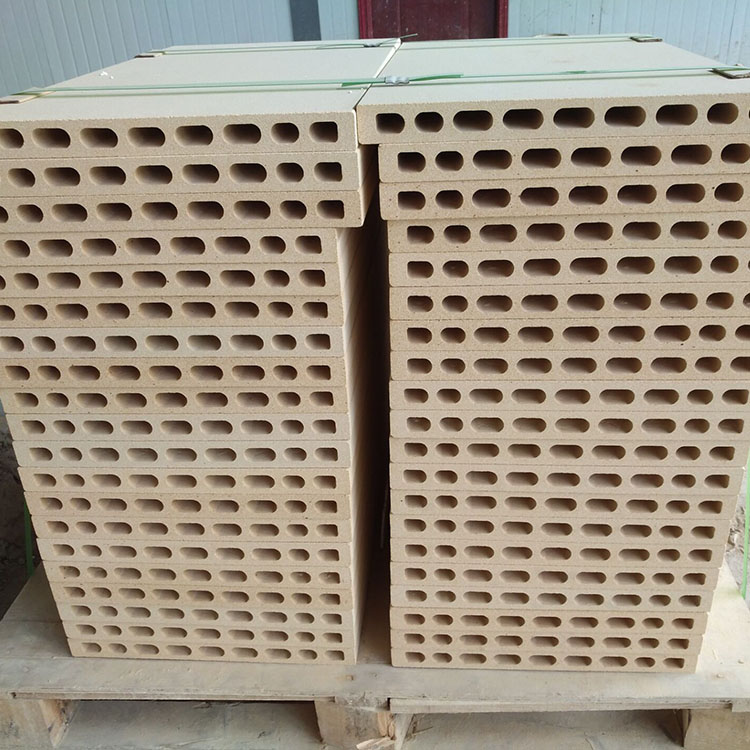
“A systematic approach to material selection, grounded in rigorous thermal shock data, reduces unplanned downtimes by up to 30%, significantly enhancing operational efficiency in glass manufacturing.” — Dr. Michael Chen, Materials Engineer, GlassTech Solutions
Integrating scientific testing data with field experience enables glass manufacturers to implement:
Have questions about your kiln furniture options? Leave your inquiry below to engage with our technical experts and enhance your material selection confidence.