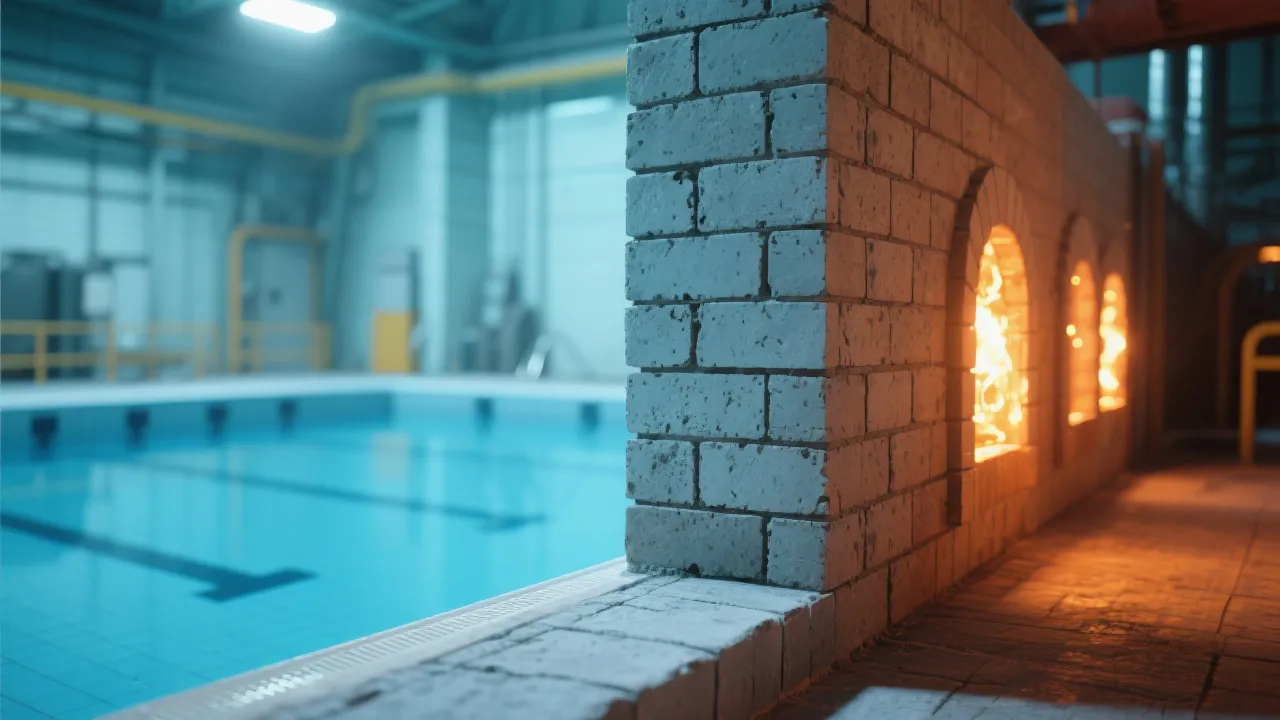
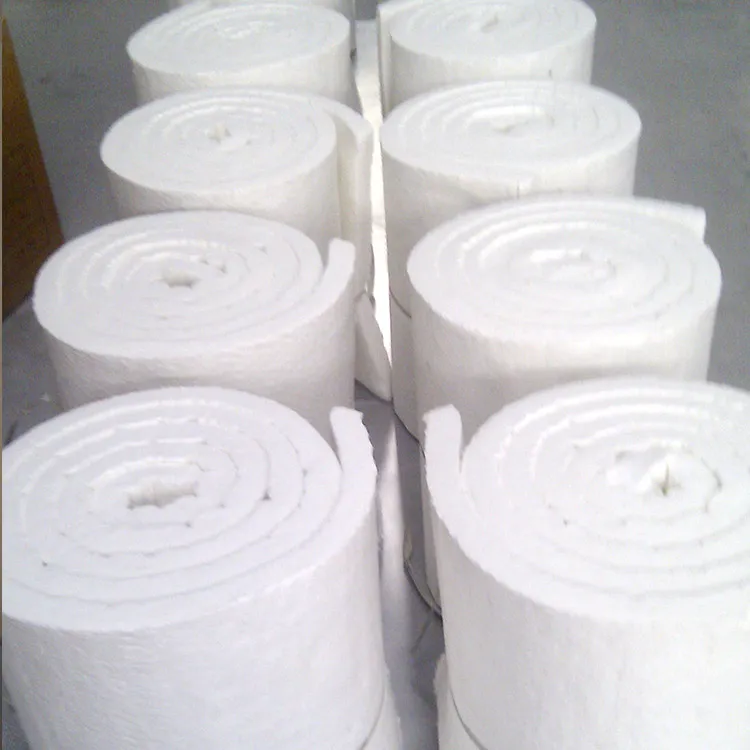
Operating high-temperature chemical reactors challenges the durability of refractory linings due to frequent and sudden temperature fluctuations. Among the various parameters influencing refractories' lifespan, thermal shock stability stands as the pivotal factor safeguarding equipment integrity and operational safety. This article systematically unpacks the mechanisms of thermal shock damage, contrasting conventional magnesia bricks with advanced magnesium-chrome bricks, while providing practical insights into product selection and maintenance.
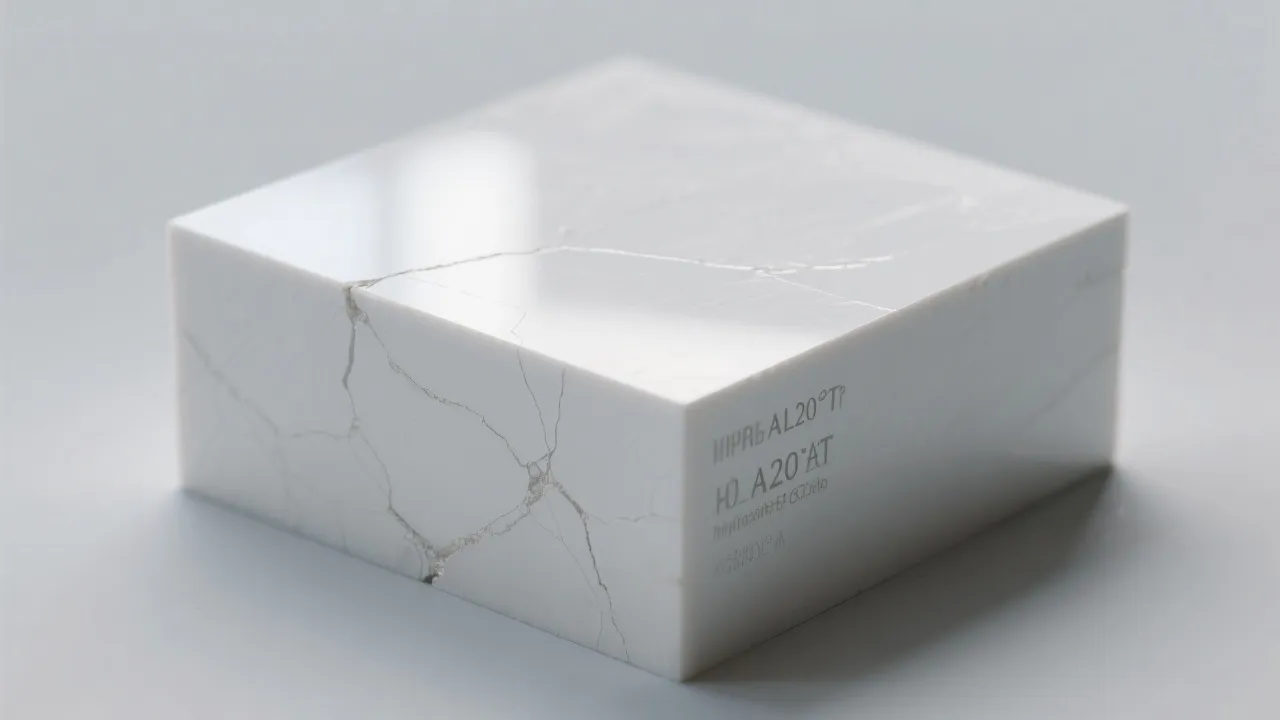
When refractory materials are exposed to abrupt temperature changes, they undergo rapid thermal expansion and contraction. Such thermal cycling often introduces microcracks through stress concentration around internal defects or grain boundaries. These microcracks propagate over consecutive cycles, culminating in large-scale crack networks that compromise structural integrity. Additionally, intense thermal gradients induce differential expansion, accelerating material spalling and eventual failure.
Thermal shock damage is primarily driven by the mismatch between thermal expansion coefficients within the refractory’s composite structure. Localized tensile and compressive stresses develop during rapid temperature shifts. Over time, these stresses nucleate and extend microcracks, particularly at interfaces where sintered magnesia meets chromium ore phases and silicate binders. Understanding these microscopic processes is critical for developing refractory bricks with improved resistance to such stresses.
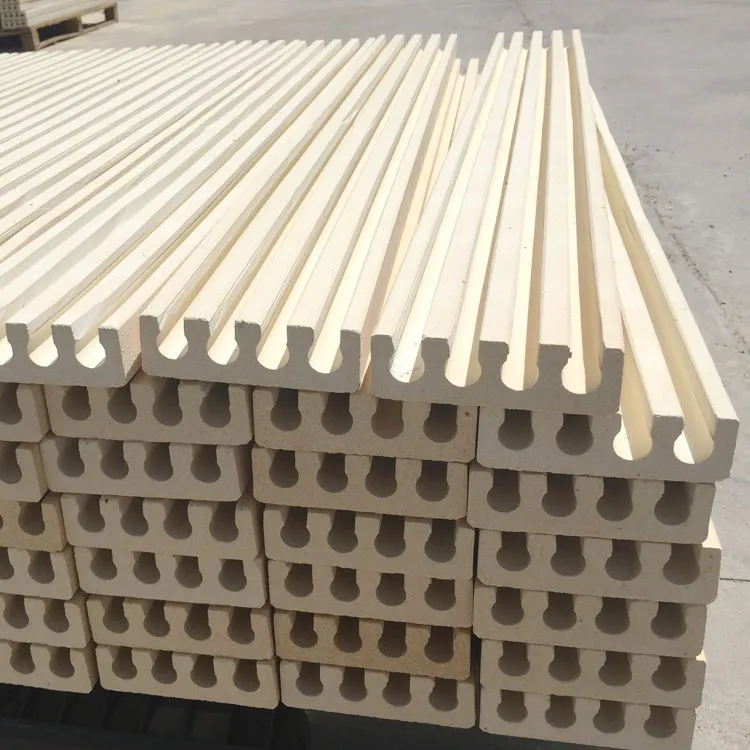
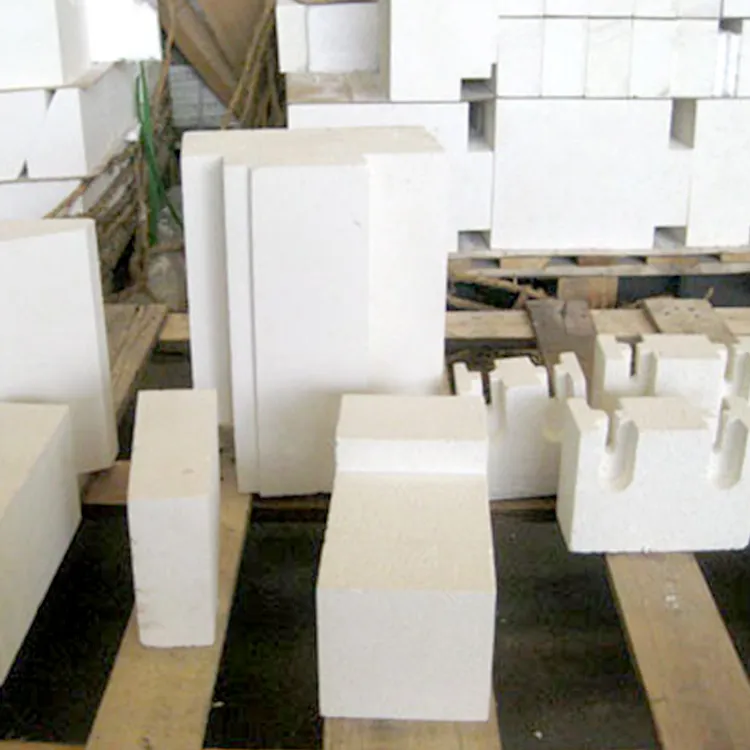
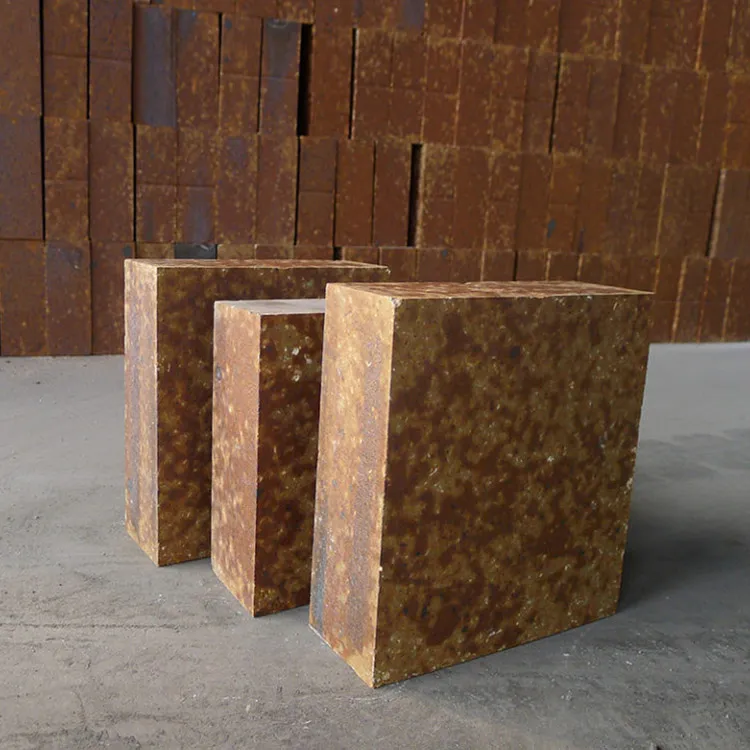
Tianyang magnesium-chrome bricks utilize a composite matrix designed by sintering high-purity magnesia with refractory-grade chromite and silicate bonding phases. This intricate microstructure balances thermal expansion coefficients, mitigates internal stress build-up, and enhances crack resistance. The silicate bond phase serves as a flexible buffer, absorbing stress concentrations and preventing rapid crack propagation.
The graph below illustrates key differences in thermal expansion rates before and after thermal shock testing at 1400°C. As shown, magnesium-chrome bricks maintain a remarkably lower expansion rate post-cycling, correlating strongly with reduced crack development and enhanced durability.
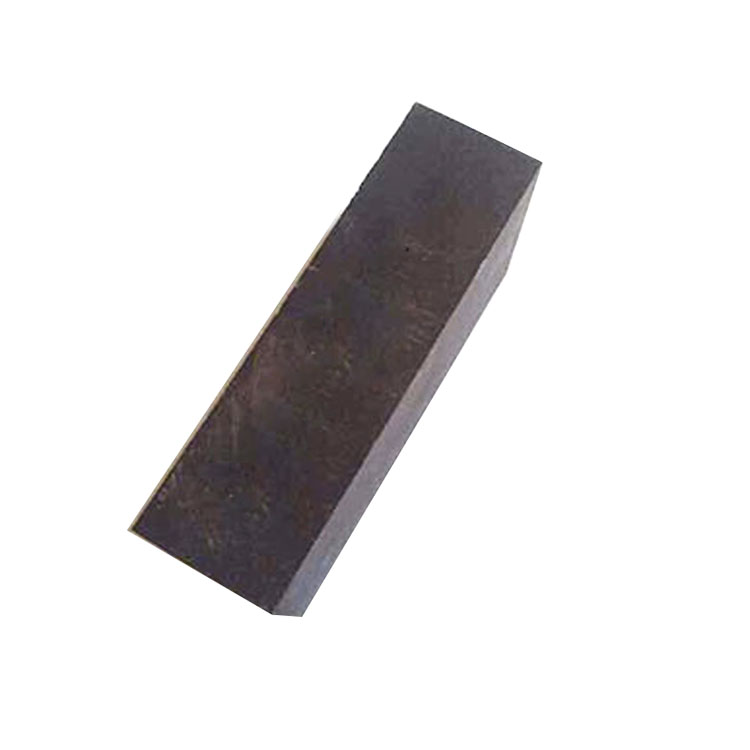
In industrial chemical reactors subject to frequent temperature spikes and sharp decreases due to batch processes or emergency shutdowns, magnesium-chrome bricks have shown lifespan extensions exceeding 25%. For instance, in ethylene oxide furnace linings experiencing over 100 thermal cycles per year, these bricks maintained structural integrity even under aggressive slag and corrosive atmospheres.
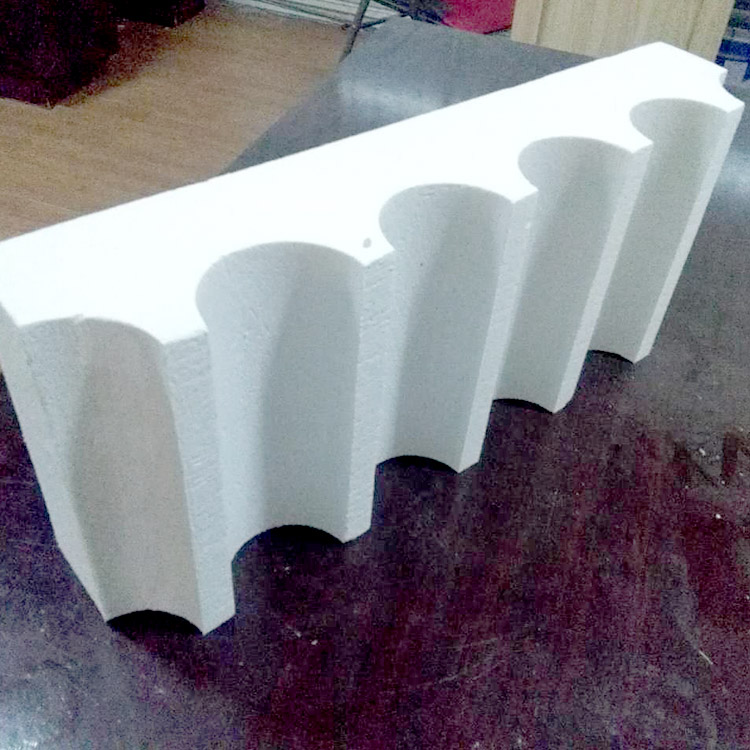
Proper installation practices, including achieving uniform brick bonding and minimizing thermal bridges, are crucial. Regular inspections focusing on early microcrack detection can prevent catastrophic failures. Additionally, selecting refractory mixes with tailored grain sizes improves bonding phase distribution, enhancing thermal shock resistance. Following manufacturer specifications for curing and drying cycles further stabilizes brick performance under operation.
Empower your material choice and improve furnace reliability with expert insights.