Trends in Refractory Materials for High-Temperature Chemical Equipment: Focus on Slag Resistance and Thermal Shock Stability
26 01,2026
Industry Research
This article provides an in-depth analysis of the selection trends for corrosion-resistant refractory materials used in global high-temperature chemical equipment, emphasizing the impact of slag resistance and thermal shock stability on material durability. By comparing traditional magnesia bricks with the newly developed corrosion-resistant ordinary magnesia-chrome bricks from Zhengzhou Tianyang Refractories Co., Ltd., it highlights how their superior physical and chemical properties ensure safe and stable operation of high-temperature chemical reactors. Supported by practical application cases and maintenance guidance, the paper offers industry professionals a comprehensive understanding of refractory material performance under extreme conditions and strategic selection criteria to enhance equipment lifespan and reduce maintenance costs.
Advanced Corrosion-Resistant Refractory Materials for High-Temperature Chemical Equipment: Exploring the Future of Anti-Slag Performance
In the highly demanding environment of high-temperature chemical reactors, selecting refractory materials that offer exceptional corrosion resistance, thermal shock stability, and anti-slag performance is paramount. This article delves into the latest trends in refractory materials applied in global chemical industries, focusing on how innovative compositions like magnesia-chrome bricks outperform traditional magnesia bricks in durability and operational safety.
Key Performance Indicators for Refractory Materials in High-Temperature Chemical Reactors
The integrity and longevity of refractory linings in chemical reactors largely depend on three critical parameters:
- Corrosion Resistance: Ability to withstand chemical attacks by slags, molten salts, and reactive gases.
- Thermal Shock Stability: Capacity to endure rapid temperature fluctuations without cracking or spalling.
- Anti-Slag Performance: Resistance to slag adhesion and penetration that can accelerate lining degradation.
Traditional Magnesia Bricks VS Advanced Magnesia-Chrome Bricks
Historically, sintered magnesia bricks have been the foundational refractory choice for their high melting point (~2850°C) and moderate chemical resistance. However, their susceptibility to slag infiltration and thermal shock leads to frequent maintenance demands and limited service life, often averaging 1,500 to 2,000 operational hours under corrosive environments.
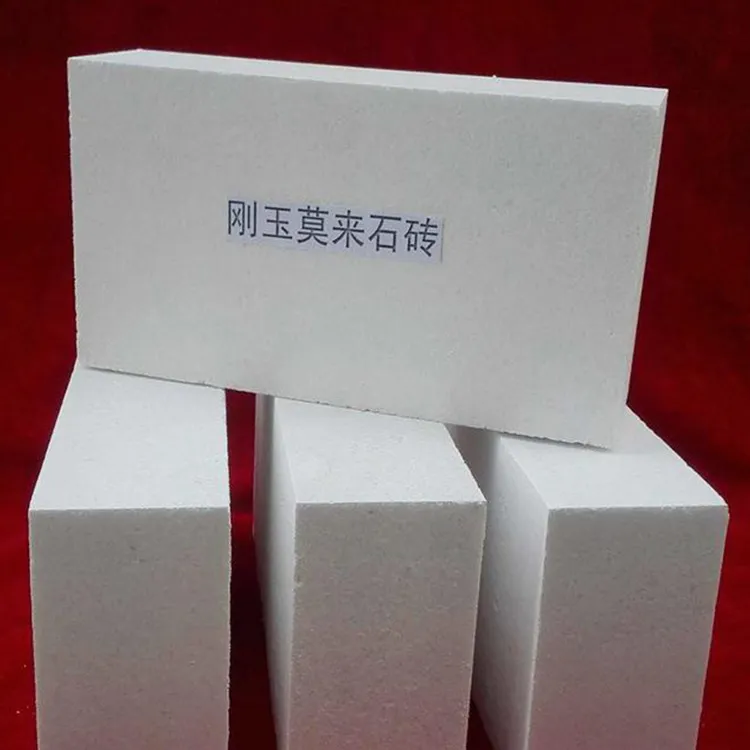
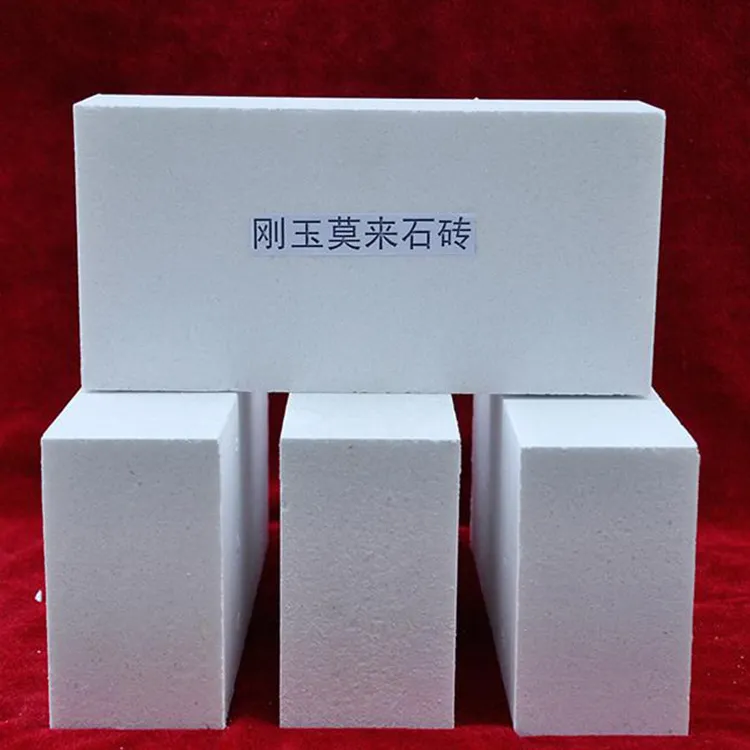
In contrast, the novel magnesia-chrome bricks developed by Zhengzhou Tianyang Refractory Materials Co., Ltd., integrate high-quality sintered magnesia with refractory-grade chromite, enhancing chemical stability and mechanical strength. These bricks exhibit a slag corrosion rate reduction of up to 35% compared to conventional magnesia bricks, and improve thermal shock resistance by approximately 25%, as validated by independent laboratory tests simulating rapid cooling cycles from 1500°C to ambient temperature.
Case Studies: Real-World Applications and Performance Insights
A petrochemical facility in Europe replaced traditional magnesia brick linings in their high-temperature steam reformer reactors with the new magnesia-chrome bricks. Over an 18-month operational period, the facility reported:
- Reduction of unplanned shutdowns by 30%
- Extension of refractory lining service life by 40%
- Lower maintenance costs, saving an estimated USD 120,000 annually
Similar results were observed in a chemical fertilizer plant in Southeast Asia where extreme slagging conditions previously caused frequent lining failures. By switching to these advanced bricks, the operators achieved longer intervals between relining without compromising safety or process stability.
Installation and Maintenance Best Practices for Optimized Performance
Achieving maximum durability requires precise installation coupled with proactive maintenance. Key recommendations include:
- Strict adherence to manufacturer installation guidelines to maximize brick bonding and minimize voids.
- Monitoring thermal cycling rates to prevent unnecessary thermal shock beyond material tolerance.
- Scheduled inspections using advanced ultrasonic or infrared scanning to detect early signs of corrosion or slag penetration.
- Application of protective coatings or sacrificial layers where applicable to extend lining life further.


.jpg?x-oss-process=image/resize,h_1000,m_lfit/format,webp)