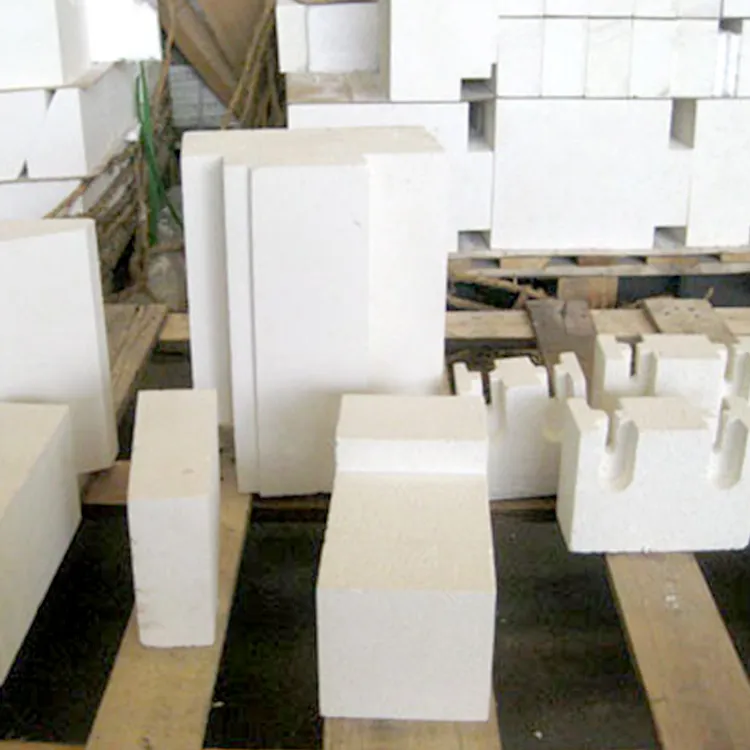
High-Quality Kiln Furniture Solutions: Enhancing Production Stability with Zhengzhou Tianyang Sunrise Series for Overseas Clients

18 12,2025
Sunrise
Product related content
This article provides an in-depth exploration of the scientific use and maintenance strategies for high-temperature kiln furniture in industrial furnace heat treatment processes. It highlights the superior performance characteristics of Zhengzhou Tianyang's Sunrise series kyanite kiln furniture, detailing crucial technical aspects such as installation, thermal expansion compensation, temperature management, and rapid thermal cycling. Additionally, the article examines inspection techniques, crack monitoring, and repair methods to effectively extend kiln furniture lifespan and minimize thermal shock damage, thus improving production stability. Through practical guidance and real-world examples, it assists overseas customers in enhancing industrial production safety and efficiency, recommending Zhengzhou Tianyang Sunrise kiln furniture as a premium refractory material solution to support sustained business growth.
ceramic-fiber-paper-gasket-9.jpg

Optimizing High-Temperature Kiln Furniture for Enhanced Industrial Heat Treatment

Modern industrial heat treatment relies heavily on the durability and precision of high-temperature kiln furniture. Selecting, installing, and maintaining kiln components that withstand extreme thermal cycles can dramatically increase production stability and lifespan of equipment. This article explores the critical technical aspects of high-temperature kiln furniture, emphasizing effective thermal expansion control, temperature management, and routine inspection strategies.

Strategic Installation and Thermal Expansion Compensation

Proper installation of kiln furniture made from materials like cordierite ensures mechanical stresses are minimized during operation. Thermal expansion compensation is essential to reduce risks of warping, cracking, or premature failure due to temperature fluctuations that can reach over 1400°C in some heat treatment processes.

Key design principles involve:

  • Allowing sufficient clearance for material expansion, typically 0.5%-1.5% depending on kiln firing profiles
  • Employing modular furniture layouts to enable replacement without full shutdown
  • Utilizing rigid but thermally resistant anchors to stabilize components while accommodating movement

Temperature Management in Rapid Thermal Cycles

A significant challenge in heat treatment is managing rapid temperature changes. Accelerated heating and cooling rates often induce thermal shock — a primary cause for kiln furniture damage.

Adopting controlled ramp rates is crucial. Studies suggest limiting heating rates to 50-100°C per hour during critical phases can extend furniture longevity by 25-35%. Rapid cooling should also be moderated with proper airflow control and cooling zones to prevent cracking caused by uneven contraction.
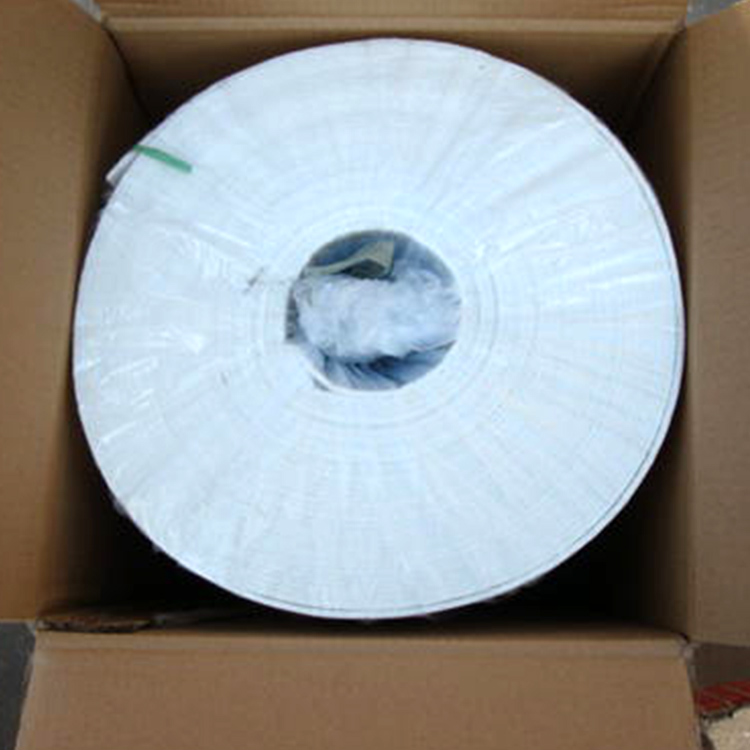
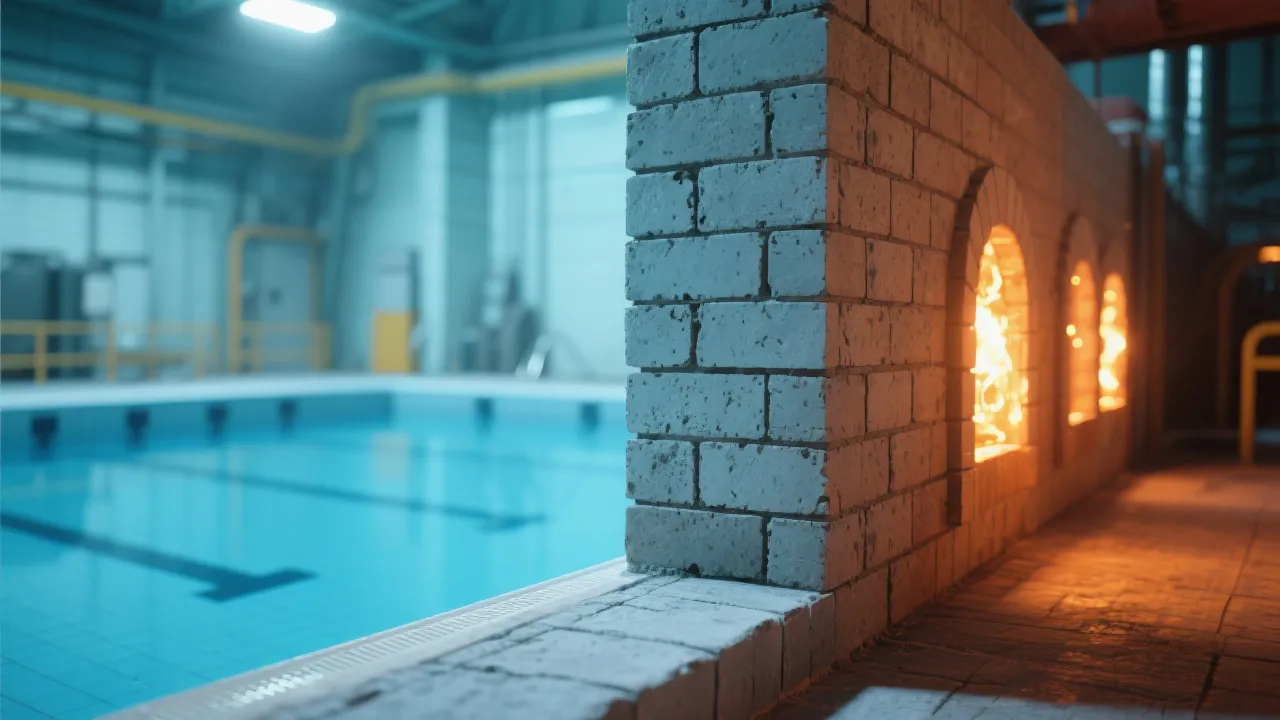
Thermal expansion compensation design in high-temperature kiln furniture

Routine Inspection & Crack Monitoring Techniques

Preventative maintenance is pivotal to detect early signs of damage. Combining visual inspections with instrumental methods enhances detection accuracy:

  • Visual Inspection: Regular checks for surface discoloration, distortion, or minor cracking
  • Ultrasonic Testing: Identifies subsurface cracks invisible to the naked eye
  • Infrared Thermography: Detects temperature anomalies indicating structural weaknesses

Implementing a routine schedule—monthly or aligned with production cycles—helps mitigate unexpected failures and prolong furniture service life.

Effective Crack Repair and Prevention

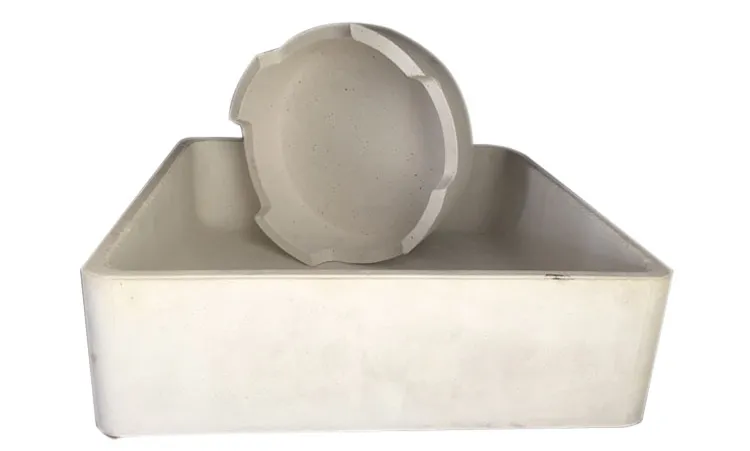
Advanced repair methods include thermal crack sealing using compatible refractory adhesives and localized re-firing processes to restore integrity. Furthermore, material selection plays an integral role; choosing kiln furniture with superior resistance to thermal shock, such as the cordierite-based Sunrise Series from Zhengzhou Tianyang, dramatically reduces crack initiation.

Optimization of heat treatment processes—avoiding abrupt thermal gradients—and incorporating buffer zones further prevent crack propagation, reducing downtime.
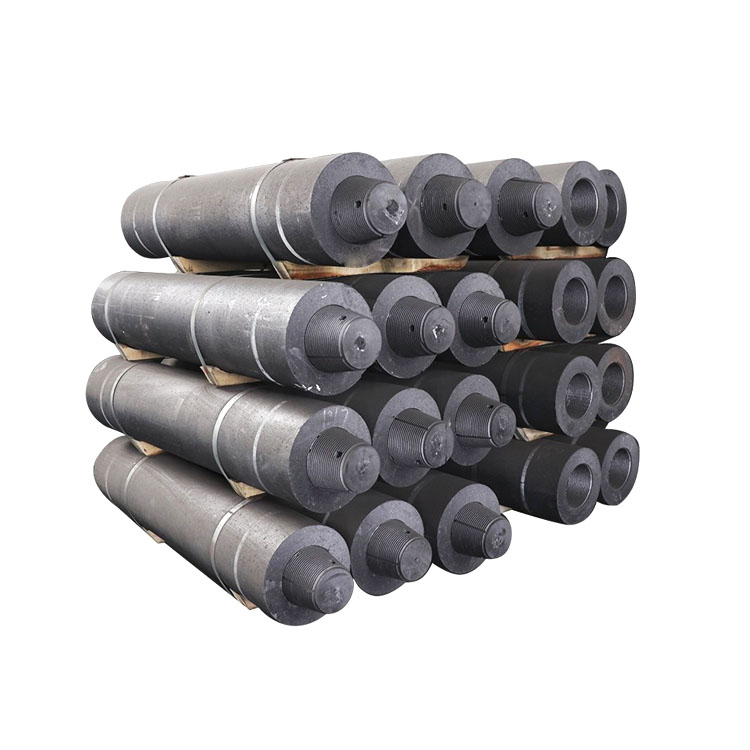
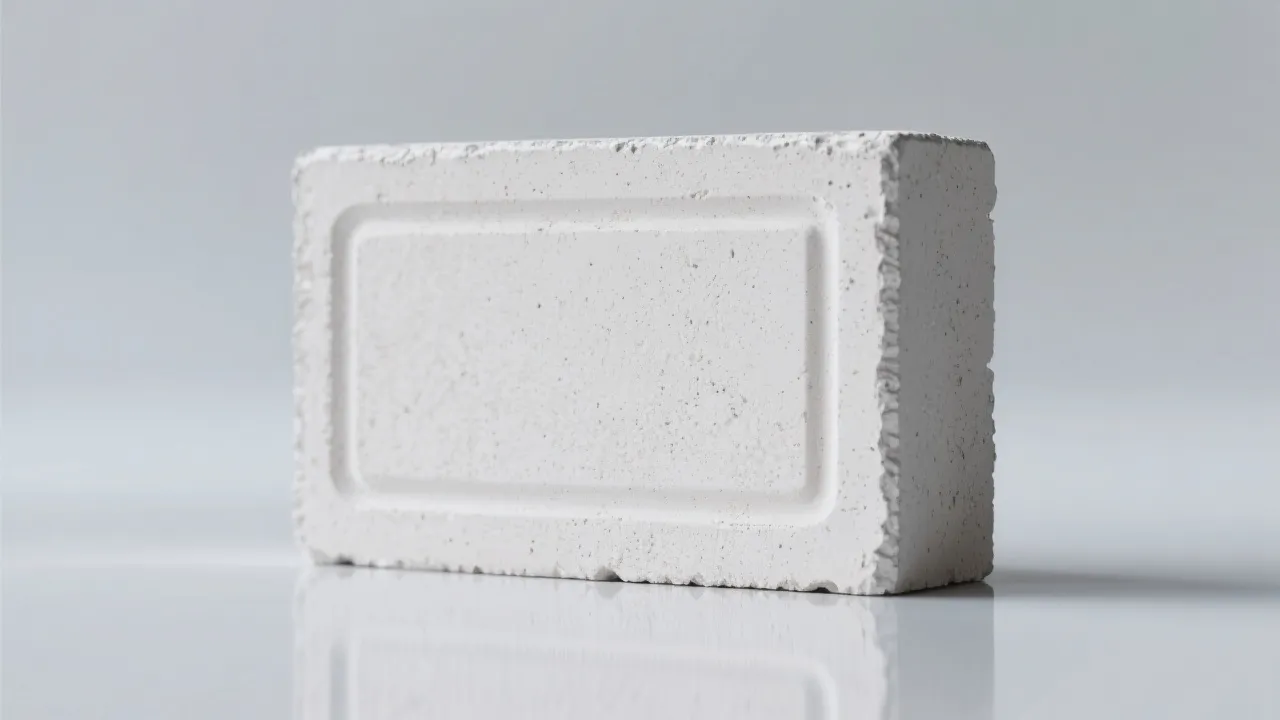
Ultrasonic inspection on kiln furniture to detect cracks

Industrial Applications and Real-World Performance

Case studies from high-volume ceramic manufacturers indicate that adopting scientifically engineered kiln furniture and systematic maintenance protocols can extend operational lifespan by up to 40% and reduce maintenance costs proportionally. The Sunrise Series demonstrates consistent performance under cyclic thermal loads, offering superior dimensional stability, mechanical strength, and thermal shock resistance.
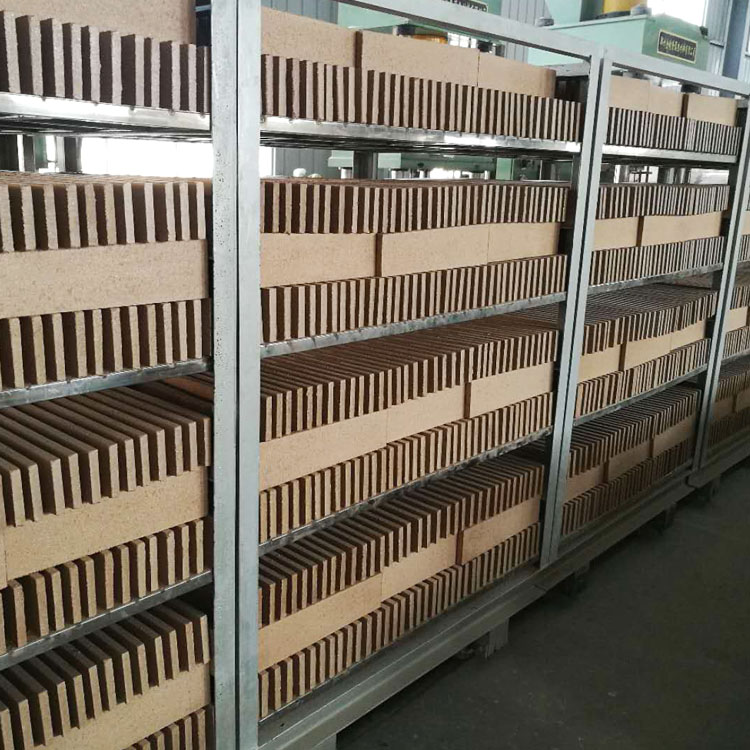
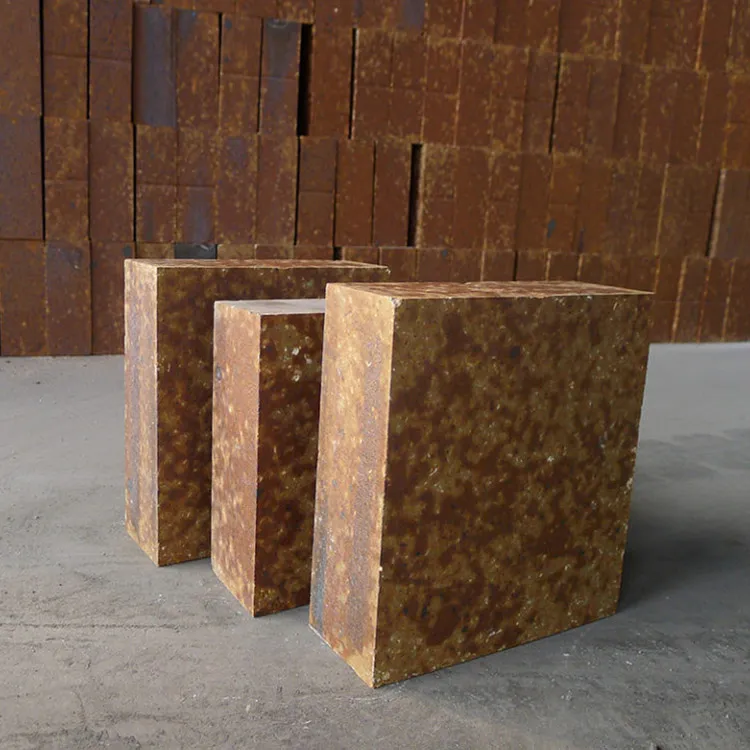
High-performance kiln furniture in industrial heat treatment line
“Selecting kiln furniture with engineered thermal expansion compensation and integrating proactive maintenance is instrumental to achieving high productivity and operational safety in industrial heat treatment.”
Name *
Email *
Message*

Recommended Products

Popular articles
Recommended Reading
<#if (articleDetails.articleDetailsRelatedArticles.articleList?has_content)?? && (articleDetails.articleDetailsRelatedArticles.articleList?size>0)> <#if (articleDetails.articleDetailsRelatedArticles.isShow)?? && articleDetails.articleDetailsRelatedArticles.isShow> <#if (articleDetails.articleDetailsRelatedArticles.title)?? && articleDetails.articleDetailsRelatedArticles.title!="">

${articleDetails.articleDetailsRelatedArticles.title}

<#list articleDetails.articleDetailsRelatedArticles.articleList as list>
<#if (list.imgUrl?has_content)?? && (list.imgUrl?has_content)> ${list.imgAlt} <#else> img

${list.title}

${(list.updateTime)?number_to_datetime?string('dd MM ,yyyy')}
Contact us
Contact us
https://shmuker.oss-accelerate.aliyuncs.com/tmp/temporary/60ec5bd7f8d5a86c84ef79f2/60ec5bdcf8d5a86c84ef7a9a/thumb-prev.png