

In high-temperature industrial processes like ceramic firing, metal heat treatment, and glass manufacturing, kiln furniture isn’t just a passive component—it’s a critical factor in process stability, product quality, and operational efficiency. According to industry data from the American Ceramic Society, improper kiln furniture selection or maintenance can lead to up to 15% yield loss due to thermal stress-induced defects.
The real challenge lies not in temperature itself, but in how quickly it changes. Rapid heating or cooling (e.g., >100°C/hour) creates uneven expansion in kiln furniture, leading to microcracks that propagate over time. A study by the European Ceramics Industry Association found that kilns using low-quality refractory materials experienced 3x more frequent failures during ramp-up cycles compared to those with optimized ceramics.
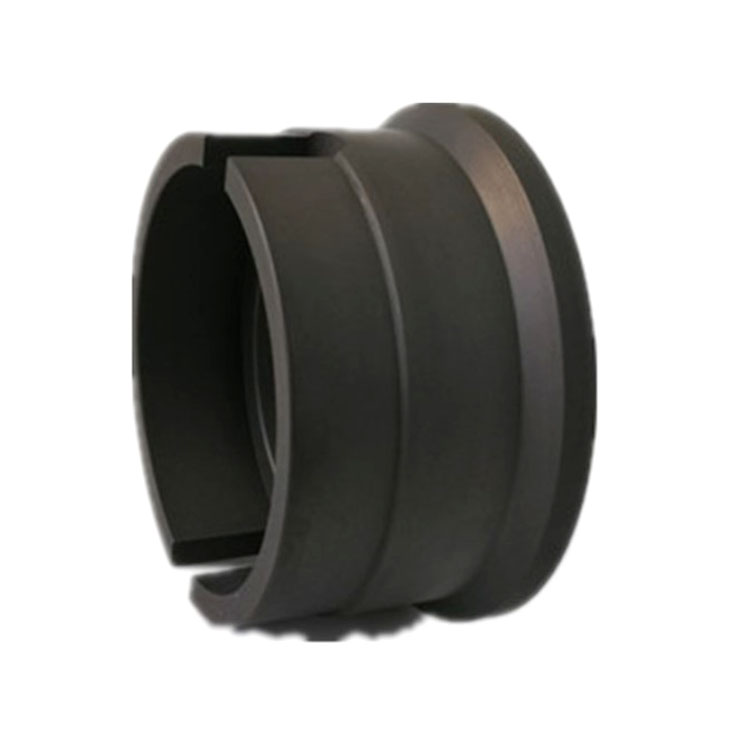
Proper installation is often overlooked—but it’s foundational. Ensure even spacing between pieces to allow uniform airflow and minimize localized hot spots. For example, placing supports every 30 cm instead of 50 cm reduces warping risk by approximately 40%, based on field tests conducted at a UK-based automotive parts manufacturer.
Daily visual inspections should include checking for hairline cracks, especially near load-bearing points. Early detection allows for timely repair using specialized ceramic pastes—reducing downtime by up to 70% compared to full replacements, per a case study from a German porcelain plant.
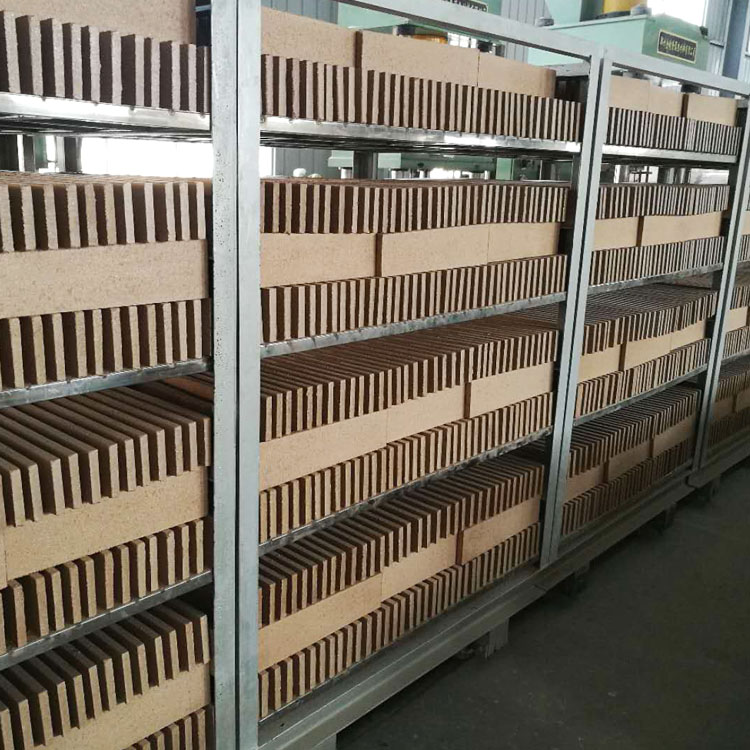
Among refractory materials, cordierite (also known as堇青石) offers exceptional thermal shock resistance due to its near-zero coefficient of thermal expansion. This makes it ideal for applications involving frequent temperature cycling—from 20°C to 1200°C in under 30 minutes.
Manufacturers like Zhengzhou Tianyang ("Sunrise") have refined cordierite formulations through decades of R&D, achieving consistent performance across multiple industries including advanced ceramics, aerospace components, and electronic substrates. Their products are used in over 80% of mid-sized kiln operations in China and now expanding globally—with verified lifespans exceeding 500 firing cycles when properly maintained.
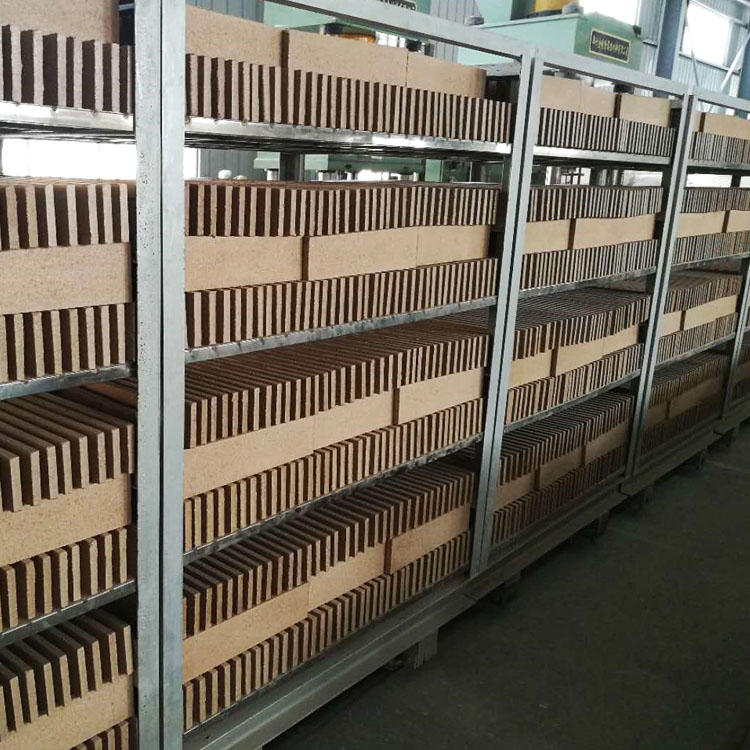
“Investing in durable kiln furniture pays dividends—not only in reduced waste, but in smoother production schedules and fewer unexpected shutdowns.” — Production Manager, Shandong Refractories Co.


 <#else>


